Have you considered getting dental implants to address serious dental problems such as tooth loss?
If so, we’d like to explore when that may be an effective approach. This brief article will discuss what they are when you should get them, and why they’re beneficial.
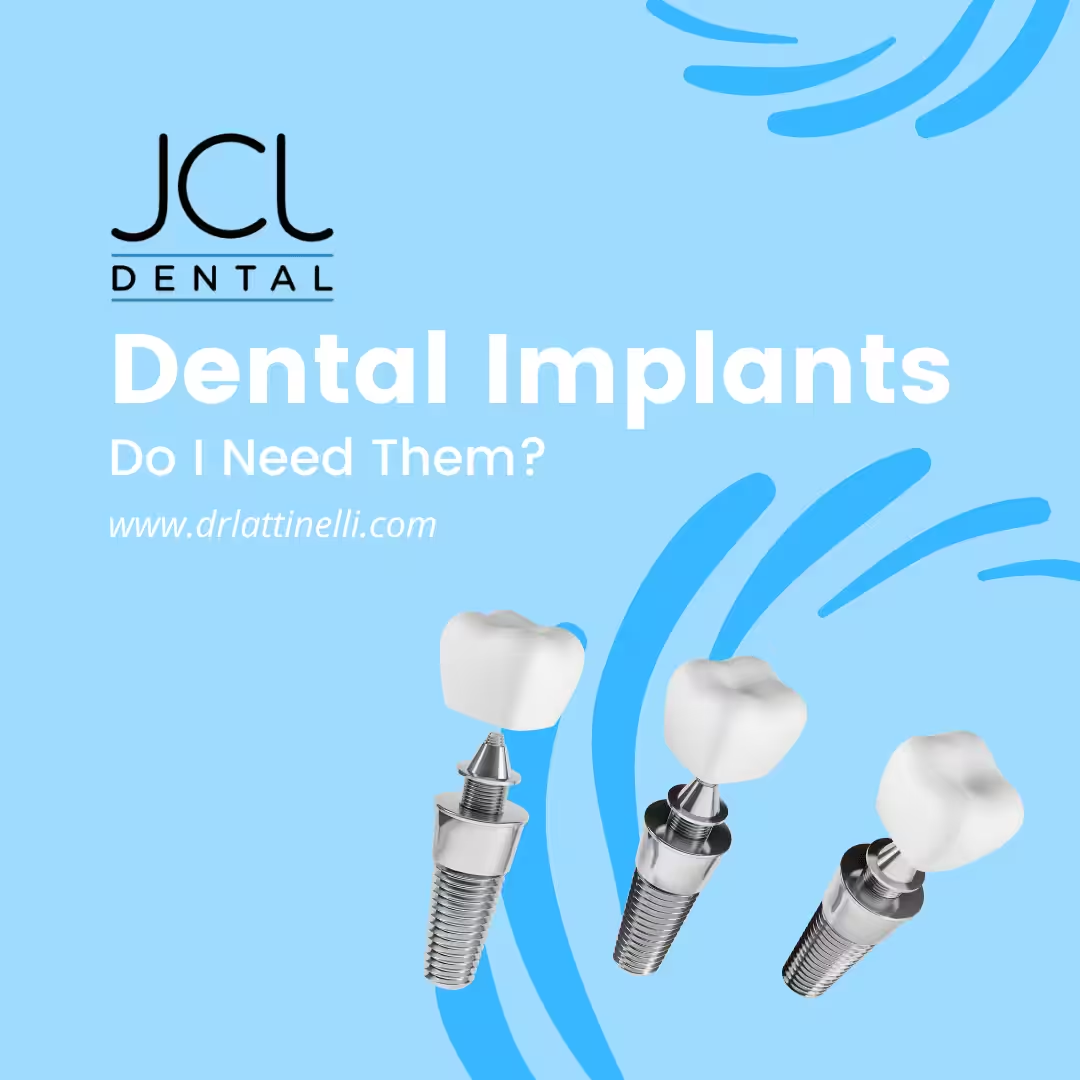
What Are Dental Implants?
Dental implants are an important component of restorative dentistry, used to address lost teeth because of poor oral hygiene, gum disease, and other problems. It involves implanting an artificial tooth root into the jawbone, creating a stable foundation for a replacement tooth.
Instead of merely replacing a tooth, this approach has the advantage of constructing something right at the roots of your gums. This is an important consideration for folks who have lost one or more teeth since that usually signals the potential for more.
Why Should You Get Dental Implants?
Dental implants are an effective alternative for patients who have missing teeth but prefer not to get dentures, crowns, or bridges. Again, it’s a terrific way to reverse the chances of losing more teeth. Implants are a proven way to keep teeth in place, preserve jawbone strength, and avoid the other consequences of missing teeth.
Then there are many cosmetic benefits as well. It’s a reliable way to regain confidence, smile without inhibition, and no longer experience all that anxiety every time you open your mouth.
Significant Benefits of Dental Implants
- Improve your self-esteem with natural-looking teeth.
- They’re durable and easy to clean or maintain just like regular teeth. Ordinary habits like brushing, flossing, and general dentistry visits are all you need.
- It’s a great way to resolve tooth-loss consequences like difficulty chewing, speech trouble, and other discomforts.
- Unlike dentures, you don’t have to remove them for cleaning, sleeping, or any other activity.
We hope this demystifies the concept of dental implants. It shouldn’t intimidate you at all since many American pursue this option nowadays. For more information on this important topic, you can check out our previous post on the reasons to not wait to get dental implants.
If you’d like to explore this procedure further, Dr. Lattinelli offers professional guidance and services. His dental expertise is among the best in Manhattan. Contact us anytime to learn more by calling 212-752-7188.
Contact Us
The world of dentistry has come a long way from the days when you lost a tooth and you were out of luck. Today, there are a lot of modern dentistry improvements that make the quality of living even better. Today we’re going to talk about veneers and you might have even heard about them. But veneers are one of those things then unless you’ve really looked into them, you probably have your own misconceptions about them. So today we’re going to clean that all up for you and explain why you should get veneers in the new year.
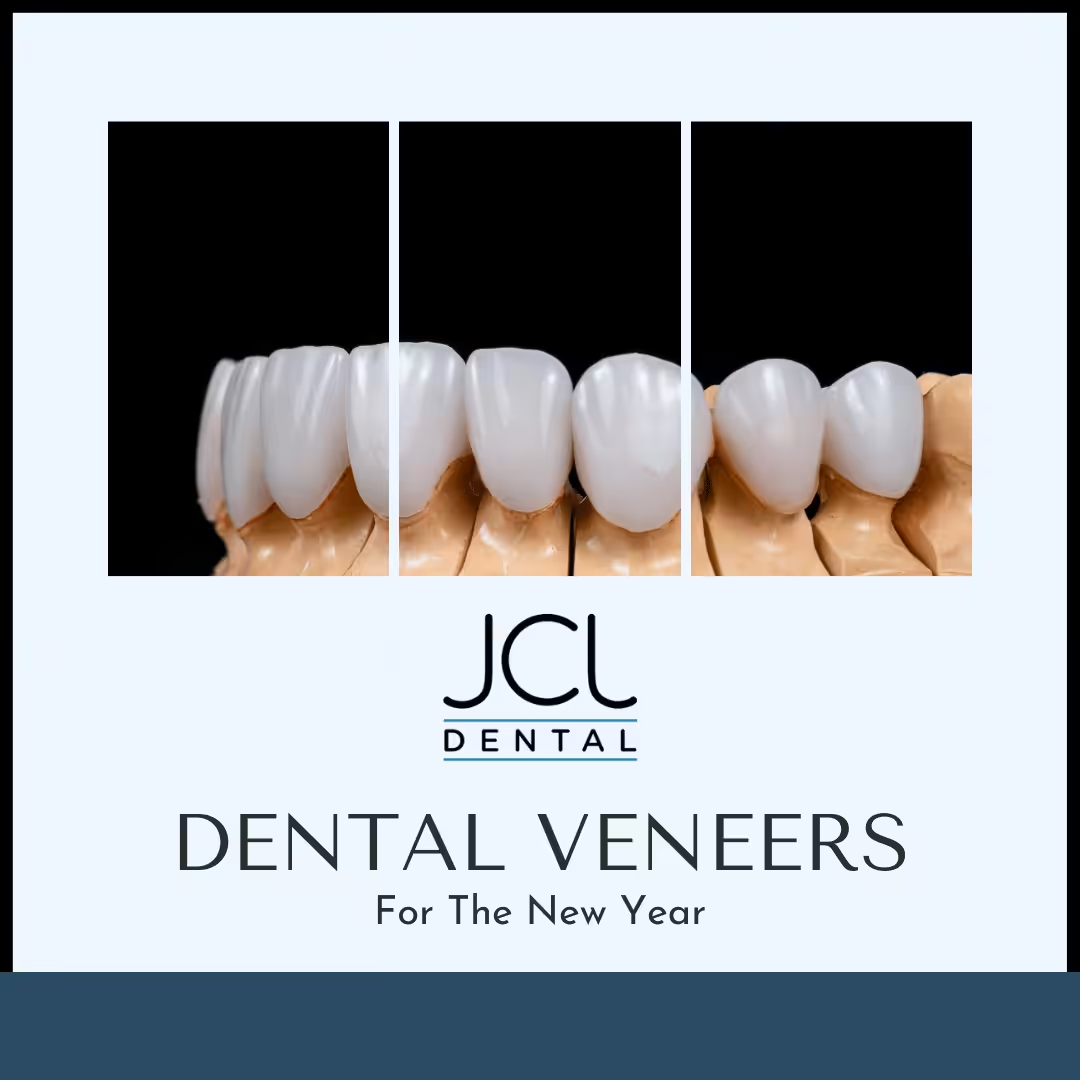
How do veneers work?
Just know that you’re going to have a bit of porcelain in your mouth, which is how your smile works with veneers. This is achieved by shaving down the original teeth and then letting the expert dentist mold the porcelain to look like fresh teeth altogether. So you’re not technically getting all-new teeth, you’re getting an upgrade. The beauty of this procedure is that everything is custom. It’s the furthest thing from being a size fits all type of deal.
The outcome
If this all sounds too good to be true, it may sound that way, but it’s definitely not. The outcome and the results are pretty impressive. Because to get a whole new smile, all you need to do is have two visits to the dentist. That’s right, only two visits out of your life. The first visit will be a fitting. The dentist needs to be able to understand what the shape of your teeth is going to be in terms of your new veneers. And then the second visit you’ll have the veneers fitted on. So you’re pretty much going to smile right overnight. Now that’s almost like one-day delivery.
You can’t tell the difference
One of the best parts of veneers is the fact that you can’t really tell the difference between your old teeth and your new teeth. The only difference that’ll be there is that you have a perfect and great new smile. Of course, your teeth are going to look better but they don’t look any less like natural teeth. That’s the big sticking point. So when you consider veneers you don’t have to worry about anything looking out of place or not ordinary. It’s all about that natural look.
If you feel like taking the plunge, finally fixing your smile, and looking into veneers, be sure to call Dr. Latinelli for a consultation at 212 -752 -7188. We’re also located at 121 EAST 60TH ST., 10TH FLOOR NEW YORK, NY 10022.
Contact Us
There are a lot of things when it comes to the dental world that we tend to brush off and not think are serious. Things like flossing, brushing your teeth a certain way, and so much more. It’s understandable because life is busy and when your teeth aren’t bothering you right away, you tend to blow off those little things. But the truth of the matter is, those little things can become big problems. Not flossing can lead to cavities. Not taking care of the cavities can lead to gum disease. Gum disease can lead to something called tooth infection.
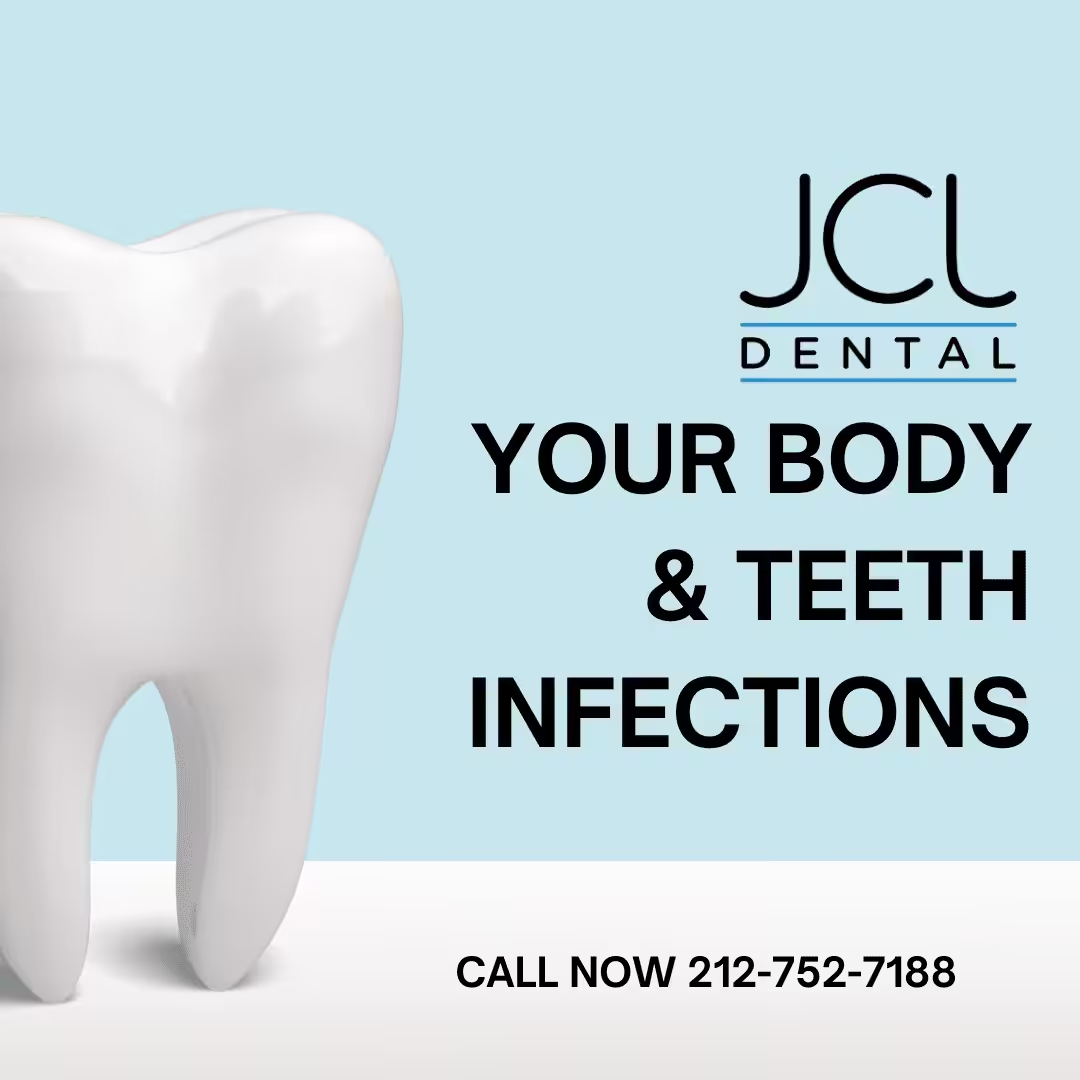
A tooth infection is when the root of the tooth becomes damaged due to trapped debris, impact, and negligence. When an infection develops, this in turn develops a pocket of pus that can spread to the gums and jaw. It’s definitely a scary thing. This is why taking care of your teeth should be a priority.
Is it possible to spread?
We already mentioned that it can spread to the jaw and the gums. But the tooth infection, if left untreated can also in rare cases spread to other parts of the body. For example, it can get into the bloodstream, other parts of the face, the lungs, and even your brain. In some instances, an untreated infection has led to death. Now of course these are super rare occasions, but, taking care of your teeth versus risking life and death, seems like a pretty easy decision.
An infection can lead to an abscess
One of the top signs that you’re about to get an infection or that you already have one is an abscess. This is a pocket of pus that appears as a swollen area on your gums. Sometimes it doesn’t swell leaving it undetectable. Other times you’ll feel a lot of pain. Either way, an abscess is a serious thing to have and shouldn’t be left untreated.
How to tell if the tooth is infected
Swelling and pain are the number one signs that you might have a tooth infection. There are also things like bad breath, a mental taste in your mouth, sensitivity to cold and warm beverages, and any other irregularities in the mouth. If you’re not feeling your best, it’s always best. It gets checked out because if you don’t, the infection could lead to Osteomyelitis, periapical abscess, parapharyngeal abscess, cellulitis, sepsis, cavernous sinus thrombosis, pulmonary actinomycosis, and brain abscess.
When to call a doctor
If you feel like you might have a tooth infection or a toothache that might lead to one, be sure to contact Dr. Latinelli for a consultation at 212 -752 -7188. We’re also located at 121 EAST 60TH ST., 10TH FLOOR NEW YORK, NY 10022.
Contact Us
When you think of going to the dentist, oftentimes you may think about the dentist telling you to floss. For many, that’s an on-running joke because of how often we hear the dentist say things like that. But the truth of the matter is, flossing is just as important as brushing your teeth along with taking care of your teeth in general. Because if you don’t, there can be some negative outcomes such as receding gums. There’s a big misconception that we only have to take care of our teeth but, as a result of not taking care of our teeth, our gums can suffer as well. Today we’re going to tell you all you need to know about receding gums.
Symptoms
Unlike a toothache that can deceive you until it’s too late in terms of cavities, receding gums actually have some telltale signs to help alert you that you’re suffering from this. Some are more obvious than others.
Swollen gums
The top sign that you might have receding gums is noticing that your gums might be swollen. Swollen gums are never normal occurrences. They’re usually a sign that something is wrong. This can also be one of the first telltale signs that you have received them.
Sensitive gums
Just like sensitive teeth, you also never want to have sensitive gums. This can lead to your gums receding. So instead of ignoring the fact that your gums might be a little bit sensitive, it might be time to actually go to the dentist and see what’s going on.
Constant bad breath
Everyone gets bad breath from time to time, this is another reason why we have so many products out there that make our breaths smell better. But constant bad breath that keeps reoccurring could point to a bigger issue. And that bigger issue could be receding gums. So those ignore it when your breath might be stinky.
Causes
Of course, there are causes of receding gums that can help you to better take care of your teeth and prevent this from happening.
Poor dental hygiene
Poor dental hygiene is the number one cause of receding gums. If you don’t take care of your oral health and your teeth, then your gums are going to suffer. You always want to see your dentist at least twice a year, but if you’re going more than that, it might be time to start taking care of your mouth.
Dental plaque buildup
There are things that you can do to reduce dental plaque, but overall, it’s a common occurrence that plaque does build up over time. Flossing and brushing always helps to reduce plaque buildup. The less the better.
Other reasons
There could be a whole host of reasons why you’re starting to get receding gums. And if you’re unsure of why it’s happening but you know that it is, it might be time to go see a dentist.
Get a diagnosis
If you’re suffering from receding gums or have another oral issue, contact Dr. Latinelli today at 212-752-7188. Or stop on in at 121 East 60th St., 10th Floor New York, NY 10022.
Contact Us
Brushing your teeth is one the most important parts of anyone’s daily routine. Since oral hygiene is so crucial you may have wondered if you’re using the correct toothbrush. There are a few things to look for when choosing the perfect toothbrush including the ADA Seal of Acceptance. Let’s take a closer look at some of the best manual toothbrushes recommended by dentists so you can make the best decision.
Toothbrush Qualities
There are certain qualities to take into consideration when choosing a toothbrush. One of the most important details to look into is the bristles. The bristles of the toothbrush should be soft or extra soft to better care for your teeth. Hard bristles can cause abrasions on your enamel or gums eventually leading to sensitivity or even cavities. If you’re using a toothbrush with low-quality bristles they can have sharp or jagged edges which will also cause damage to your mouth.
Radius Source
If brushing your teeth too hard has been an issue, there’s a toothbrush that can be your solution. The Radius Source is a manual toothbrush recommended by dentists with a wide massaging head to prevent any damage from occurring. This brush has extremely soft bristles made from vegetable nylon that will prevent bleeding, sensitivity, as well as receding gums. This brush also has a great grip and replacement heads that reduce toothbrush waste by up to 93%.
Oral-B Cross Action
If you’re looking for a budget-friendly recommendation from a dentist, the Oral-B Cross Action manual toothbrush is the best option for you. Dentists recommended changing your toothbrush every 4-6 weeks to prevent bristles from wearing out. The Oral-B value pack will allow you to switch out your toothbrush effectively all while staying within your budget. This pack comes with 4 brushes that equal out to just under $2.50 for each brush.
Nimbus Extra Soft
If you’ve been struggling with receding or bleeding gums, the Nimbus Extra Soft toothbrush can provide relief. The Nimbus is recommended by dentists due to its great design that reaches in-between spaces. This brush was created by a periodontist that will bring relief to those with gum recession or gingivitis. The bristles of the Nimbus have a way of letting you know where problems areas in your mouth are since there will be tenderness when brushing. With some extra attention to those areas, the Nimbus will help you feel better over time!
Whether you’re looking for a toothbrush on a budget or a brush that can provide benefits to your oral hygiene, Dr. Lattinelli will have the best recommendations for your needs. Visit our office located at 121 East 60th St., 10th Floor New York, New York 10022 or call our expert staff today to schedule an appointment. 212-752-7188
Contact Us
Retainers are a dental appliance that you’re most likely familiar with if you’ve had braces, but did you know they can also be permanent? Once your braces are removed your orthodontist will help advise you on whether to choose a permanent retainer or a removable one. Let’s take a closer look at the fixed retainer to see if it would be the right choice for your lifestyle.
Permanent Retainers
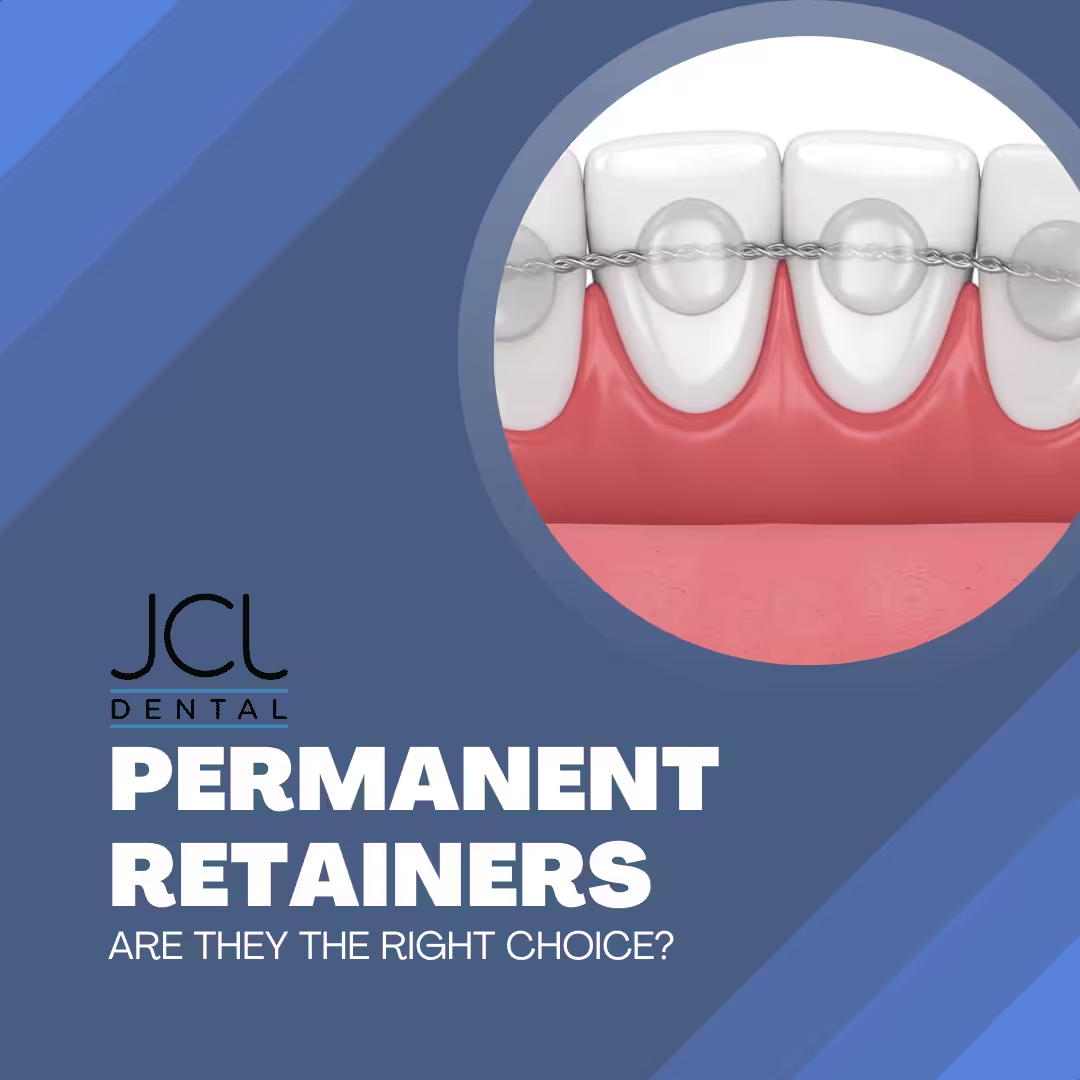
A simple definition of a permanent or fixed retainer is a piece of metal wire that’s attached to the inner side of the teeth. The metal wire will be glued to your teeth to ensure that they don’t move back to their position before braces. You may also hear the terms lingual wire or bonded retainer since the retainer is put into place with the help of a glue called bonding material.
Permanent Benefits
Many benefits come along with choosing a permanent retainer. If you’re someone with a busy schedule the permanent route may be the best fit for you since it’s so convenient. You’ll no longer have to remember to put your retainer in which can sometimes be a hassle. Permanent retainers also don’t interfere with your speech so you won’t have to be embarrassed during public speaking. No one will even know you’re wearing a retainer since the wires are placed on less visible surfaces of your teeth.
Cons of Fixed Retainers
While there are great benefits to permanent retainers you should also be aware of some cons before you make your decision. Receiving a fixed retainer will mean another procedure that’s a little more invasive. Your teeth will need to be etched first and then a composite filling will be applied. This filling will hold the metal wire or chain in place. It may also be a little more challenging to keep your teeth clean due to the wire. Oral hygiene will require a little more patience when choosing a permanent retainer.
Caring For Your Retainer
If you do choose a permanent retainer here are a few tips to make sure your mouth is still being taken care of properly. You should always keep up with regular brushing and flossing making sure all of the space around the retainer is taken care of. A sonic toothbrush would be the most useful to help you achieve this. You should also take extra precautions while flossing and biting into hard foods so you don’t cause any unnecessary harm to your mouth.
Whether you’ve come to a decision or still need extra support, Dr. Lattinelli can offer you the guidance you need when it comes to permanent retainers. Visit JCL Dental located at 121 East 60th St.,10th Floor New York, NY 10022, or contact us today to schedule an appointment! 212-752-7188
Contact Us
Cavities are dental issues that are common among a wide variety of people. An issue you may be wondering about is if these cavities can occur on your front teeth. Taking proper care of your teeth is crucial since cavities can appear in any part of the mouth or on any surface of the teeth. Let’s take a look at what causes cavities and how they can be avoided.
Cavities
You’ve most likely had a cavity at least once in your life but do you know how they occur? Dental cavities or caries spread through the enamel which is the hard outer surface of the tooth. Once the cavity passes the enamel it then moves to the middle of the tooth known as the dentin. Finally, it will make its way down into the pulp or nerve of the tooth. There are many different factors and lifestyle choices that cause cavities including those on your front teeth.
Diet & Front Teeth
Lifestyle choices that can lead to cavities on your front teeth include poor decisions when it comes to your diet. Diets that consist of high levels of sugar and carbohydrates can create more acid production by oral bacteria. This extra acid can also lead to a weakened tooth structure, tooth decay, and eventually more cavities. Besides poor diet, other factors such as poor oral hygiene, genetics, and environmental risks can also lead to cavities on the front teeth.
Dry Mouth
Another elevated risk of cavities on the front teeth is dry mouth. Patients who have visited the dentist for dry mouth usually see many cavities occurring out of nowhere anywhere in the mouth. If you have a dry mouth or cavities along the gum line and front teeth these areas will also be at a higher risk for tooth decay. Orthodontic brackets and attachments are also considered vulnerable areas.
Prevention
Cavities anywhere in the mouth especially on the front teeth can be prevented by following a few simple steps. The most crucial step is regular brushing with fluoride toothpaste and flossing. If you’ve been snacking on a sugary snack or drinking a beverage filled with sugar, taking sips of water in between can help rinse away the acid. Rinsing away the extra acid will help prevent enamel breakdown. Another beneficial step is to use a fluoride mouth rinse that can be purchased over the counter or prescribed by your dentist.
If you’re looking to treat or prevent cavities on your front teeth, regular visits to your dentist will be your solution. Dr. Lattinelli offers support that will get you on the path to better oral hygiene. Visit JCL Dental located at 121 East 60th St., 10th Floor New York, NY 10022, or call today to schedule an appointment! 212-752-7188
Contact Us
We all know that the simple act of brushing our teeth is an extremely important part of routine oral care. There are certain times of the day as well as specific spans between eating food and brushing that are more beneficial than others in order to maintain a set of healthy teeth. Dr. Lattinelli provides a helpful guide below regarding how to properly brush your teeth.
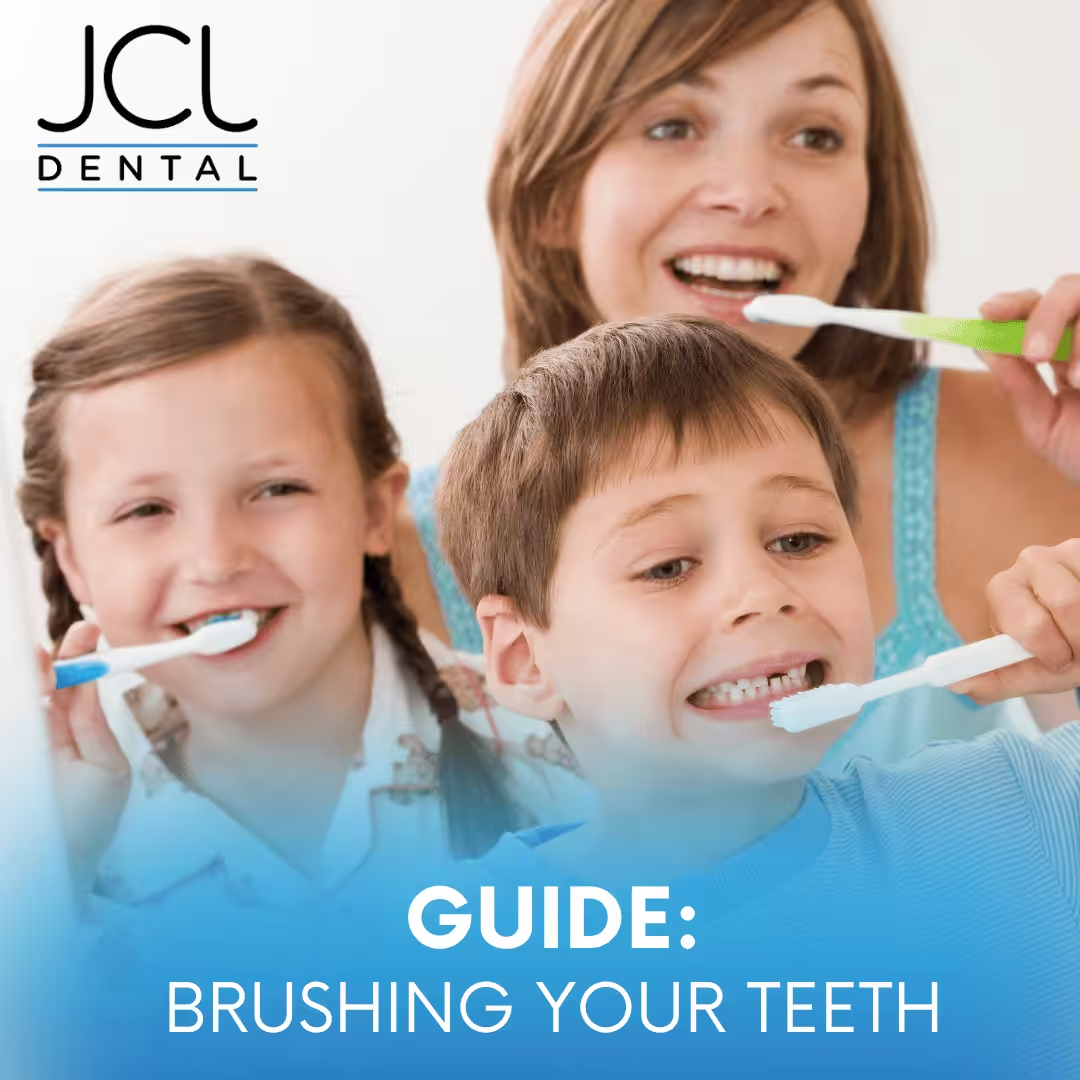
Right after waking up from a night’s (or day’s) sleep, you should head to brush your teeth. This easy task removes the enormous amount of plaque-causing bacteria that manifests while we are asleep. Brushing with an approved fluoride toothpaste before you literally break your fast when eating the first meal on any particular day not only rewards you with a refreshed mouth but also reduces particles from the foods and beverages you eat and drink that could otherwise turn into acid.
A common misconception held by many people is that they should brush their teeth immediately after concluding meals in order to get rid of any potential harm that the morsels could cause if left to sit on the teeth. On the contrary, it is strongly advised to wait for at least a 30-minute timespan after eating before you begin brushing your teeth. The act of brushing directly after eating removes many necessary minerals that are contained in saliva. Not only does saliva keep the mouth moist, but it is a significant contributor to the protection of teeth. Saliva is an effective barrier that combats harmful particles and also assists in pushing them out of the mouth. Saliva, along with minerals found in the teeth, fosters the replenishment of calcium and phosphate in the teeth after we finish the intake of food and drinks. Fantastic methods of encouraging an adequate flow of saliva in the mouth are chewing sugarless gum and to keep hydrated by consuming plenty of water.
Remember that nighttime is also the right time. End your day on a good note by giving your teeth a healthy brushing so that you avoid having any residual acid from edibles taking up residency for the entire length of your slumber. You are now ready for a restful sleep, knowing that you did a job well done for your teeth.
Dr. Lattinelli’s esteemed dental practice provides a full list of services, including conducting regular checkups, addressing oral health concerns, and performing cosmetic procedures. We are conveniently situated at 121 East 60th Street in Manhattan and an appointment with Dr. Lattinelli may be arranged by calling (212) 752-7188.
Contact Us
Mouthwash is an extremely common product that people often utilize as a part of their oral health routines. Is habitually swishing this refreshing liquid in our mouths truly the magical potion that it has always been thought to be? Dr. Lattinelli provides information about mouthwash that many of us may find surprising.
Gargling with mouthwash can almost be thought of as placing antibiotics in your mouth for no reason, resulting in oral microbiome getting compromised. We must have a sufficient supply of good bacteria since it serves to lower the risk for problems including cavities, gingivitis, and bad breath.
The use of mouthwash also interferes with the natural production of saliva and causes a decrease in this important secretion. Adequate saliva is beneficial for the process of remineralization which assists not only in the prevention of cavities but can reverse cavities as well. Saliva is vital for depositing important minerals like phosphorus, magnesium, and vitamin K2 onto the teeth. Mouthwash contains cationic compounds that neutralize the anionic compounds that toothpaste has deposited in order to kill germs. The reaction between the two different compounds creates drying of the mouth that even has the potential to create oral ulcers.
Believe it or not, mouthwash can actually encourage cavities to form. Since oral microbiome fosters the natural remineralization of teeth, if all the bacteria in your mouth gets destroyed, you also get rid of the good bacteria that help to reverse cavities.
Although traditional mouthwash provides an invigorating sensation, it does not really combat and remedy bad breath. The alcohol in mouthwash dries out your mouth and perpetuates the issue instead.
There could be a possible connection between regular use of mouthwash and oral cancer. Without definitive proof that alcohol-containing mouthwashes may heighten the risk of developing oral cancer, there are indicators that point toward a correlation. This thought is based on the idea that smokers are likely to gargle more often with mouthwash than their non-smoking counterparts to mask the unpleasant smell.
The majority of mouthwashes that are available on the market usually burn when in contact with the mouth. This phenomenon occurs for two reasons. First, it happens as a result of certain ingredients that cause minor irritation of the skin. Eucalyptol, menthol, thymol, and methyl salicylate are common culprits of the fiery sensation. The second explanation is that because mouthwash is not able to completely kill all the germs, the burning components melt into the teeth, gums, and tongue.
Dr. Lattinelli’s trusted dental practice offers a spectrum of services in order to accommodate all of his clients’ needs. Our contemporary and welcoming office is located at 121 East 60th Street in Manhattan. Kindly schedule an appointment with Dr. Lattinelli by calling (212) 752-7188.
Contact Us
Carbonated tablets are often used by patients to clean their retainers. One of the ingredients in these products is a recognized allergen called persulfate. This chemical causes allergic reactions in certain people that can be very serious and may even necessitate immediate medical attention.
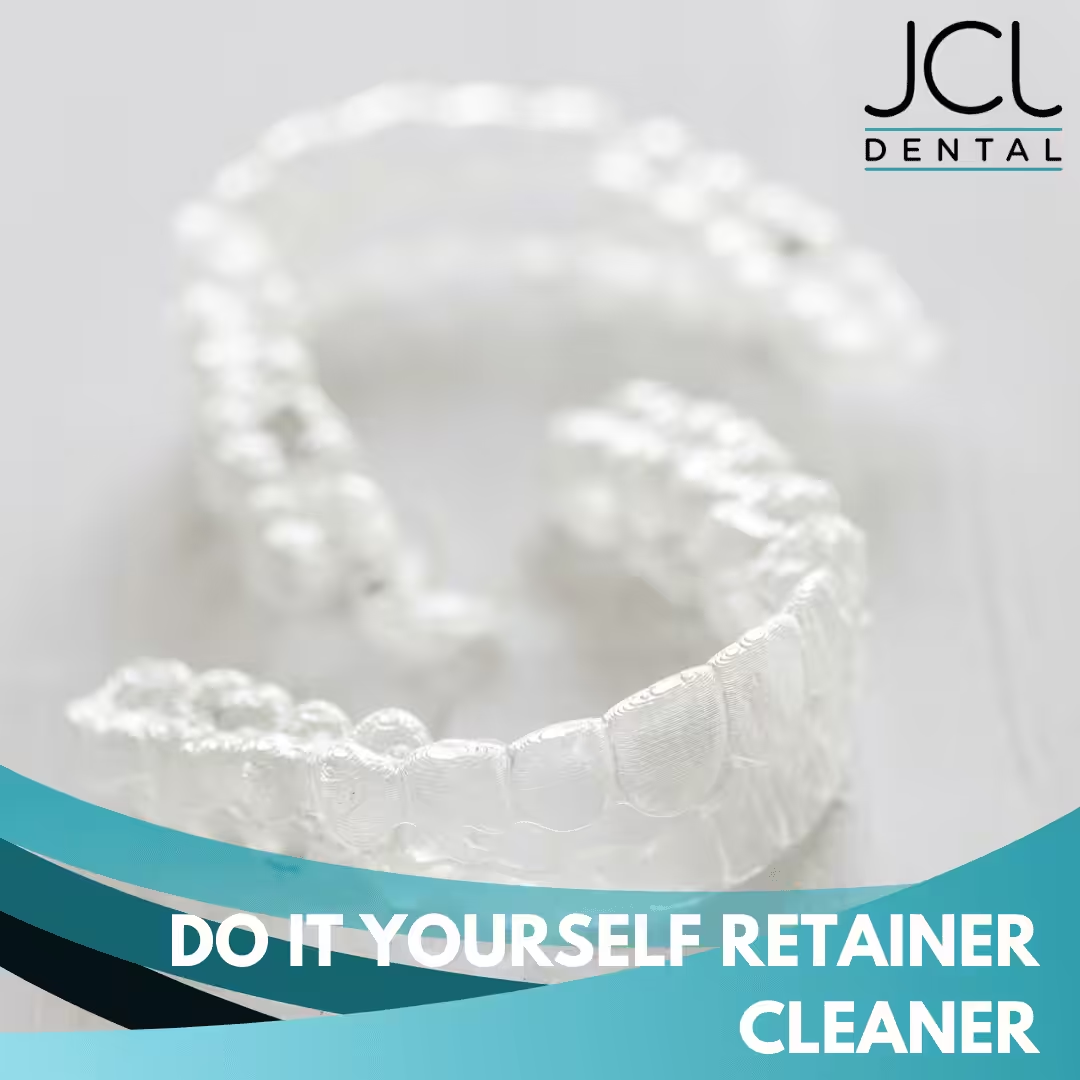
Dr. Lattinelli provides an effective method below that explains how to whip up a DIY cleaner for your retainer without health risks and is super easy to do. Plus, it is simple to work into your schedule since you only need to perform this regimen once a week.
A few basic ingredients are required in order to create a successful solution to keep your retainer in pristine condition. All you are going to need are 2 tablespoons of white vinegar, 3/4 cup of warm, distilled water, and 1 teaspoon of baking soda.
The first step is to combine the distilled water and white vinegar in a bowl. Then, add the baking soda to the liquid solution. Always add the baking soda AFTER mixing the water and vinegar together. Please be aware that if you add the baking soda directly to the vinegar without the water, the concoction will erupt much like a small-scale volcano.
Next, let your retainer soak in the mixture for 10 to 15 minutes. Do not allow your retainer to remain in the solution longer than the aforementioned time frame. And never, ever leave it sitting in the fluid overnight.
Afterward, rinse the retainer with cool water to remove any signs of tartar buildup. It is crucial that you never subject your retainer to either very hot or boiling water for cleansing. The danger of scorching temperatures is that they have the ability to soften and disfigure plastic, causing your retainer to no longer fit your mouth as it should.
It is important that you wear your retainer exactly as your dentist advises in order to maintain the integrity of your beautifully transformed smile. A terrific way to lengthen the lifespan of your retainer is to have it reside in a bowl of distilled water if you are not going to wear it right away.
Dr. Lattinelli is a highly respected dentist within the field. His prominent dental practice furnishes patients with everything from regular screenings and rectifying concerns to elective cosmetic procedures. Dr. Lattinelli and his staff make patients feel comfortable and secure which has earned the practice an abundance of repeat clientele. Our esteemed establishment is conveniently situated at 121 East 60th Street in Manhattan. Please schedule an appointment by calling (212) 752-7188. Thank you very much for considering Dr. Lattinelli to meet your dental needs.