<![CDATA[
Tribeca Thumbsucking Effects | Upper East Side Dentist
 Thumbsucking is a natural and comforting reflex for children. It’s something that starts while they are still in the womb, and can continue through toddlerhood. When a baby puts its fingers or thumb in their mouth, it gives them a sense of security and happiness. During times of stress, in goes the thumb as a built in comfort device that is always on hand. Thumbsucking also helps kids fall asleep, and offers comfort when tired or in an unfamiliar environment.
If the situation persists, however, it can have long-term consequences to your child’s oral health. It can have an effect on teeth, gums, jaws, and even facial form. It can cause what is known as a skeletal open bite. This can sometimes self-correct, but it also can lead to expensive orthodontic work to correct the teeth and align the jaws. The problem should be corrected while the child is growing, otherwise jaw surgery could be required in the future.
If your child hasn’t stopped sucking their thumb by ages two to four years old, there are steps you can take to help him or her kick the habit. Giving plenty of praise for not sucking, taking away the source of the child’s anxiety, and having your dentist talk to your child about the effects of thumb sucking can help. You can also put a bandage on the thumb or sock on the hand at night. Your dentist or doctor can also prescribe a medication that has a bitter taste to help them stop. If you are concerned about thumbsucking, don’t hesitate to make an appointment with our Upper East Side Dental Office today.
<![CDATA[
Manhattan TMD Treatment | Upper East Side Dental Office
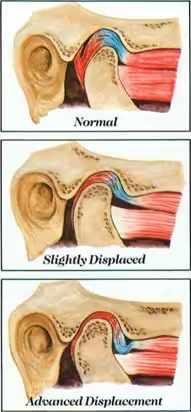
TMD, Temporomandibular Joint Disorders, can cause you serious pain and discomfort that can last many years. You might have pain in your jaw area, neck or shoulders, problems opening your mouth wide, headaches, ear aches, swelling and more. No one knows exactly what causes TMD, but it is most common for people between 20 and 40 years of age. Home remedies and traditional dental cures may be able to offer some relief. Let’s go over some of these treatments and hopefully one will work well for you.
On your own, you can take an over the counter medication like ibuprofen or naproxen for temporary relief. You can also do a cold to hot routine. First use an ice pack applied to the side of your face for 10 minutes. Then do a few jaw stretches, if your dentist approves it. When you’re done, hold a moist, warm compress against the painful area for 5 minutes. Do this several times a day. Soft foods, not leaning your chin on your hand, and keeping your teeth slightly apart can also help.
When you visit your dentist Upper East Side, you can discuss other options for treating TMD. He or she may prescribe muscle relaxants, anti-anxiety drugs, or antidepressants. Your dentist will tell you if a plastic splint or a night guard is the right choice. Dental work may help correct a bite problem. In extreme cases, transcutaneous electric nerve stimulation, trigger point injections, or low level laser therapy may be suggested. If you are bothered by TMD, it’s a good idea to make an appointment with Dr. Lattinelli so he can determine the best course of action to relieve you from your pain.
Manhattan Cavity Prevention | Upper West Side Dentistry
Those committed to a clean and healthy smile often find that even brushing and flossing may not yield the comprehensive results they desire. Food and plaque is sometimes not effectively removed from the nooks, grooves or back areas of teeth. For those who want to take the extra step, Dr. Lattinelli and Associates recommend adding sealants to your dental care and prevention plan. Liquid sealants can be “painted” onto the tooth, bonding onto the depressions of the teeth and providing a protective safeguard over the tooth enamel, further working to prevent tooth decay. Manhattan Sealants are applied in a painless and easy process, and require only a few minutes per tooth to apply.
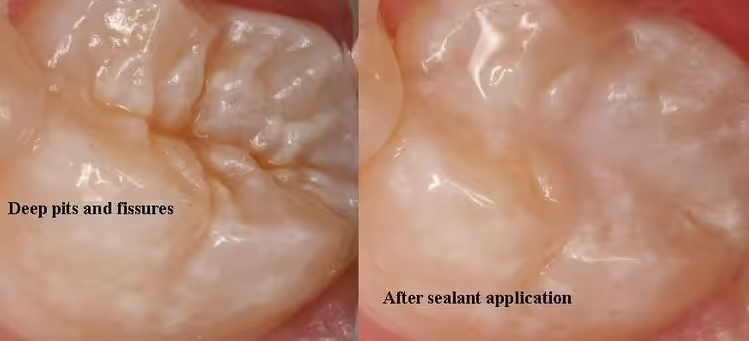
Because of the likelihood of developing decay in premolars and molars, children and teenagers between the ages of 6 and 14 are often good candidates for the sealant process, as they are often cavity prone during those years. In some instances, dental sealants may also be appropriate for baby teeth which have deep creases and grooves. Although baby teeth will eventually be lost, they play a vital role in proper spacing of permanent teeth, and as such keeping them healthy as long as they remain in the mouth is important. Adults who wish additional protection are always good candidates for this dental procedure.
Sealants can preserve teeth for up to 10 years, but Dr. Lattinelli will check for chips or signs of wearing at regular checkups and determine what is the appropriate remedy. As many insurance companies will cover the application of dental sealants, those interested should check with their insurance carrier regarding their plan's coverage. Dr. Lattinelli and Associates provides quality dental care and specialized dental services to the Upper East Side and beyond; wherever you are in Manhattan, it is worth the trip to visit Dr. Lattinelli's Upper East Side Dental office for superior dental service.
<![CDATA[
Manhattan Veneers | Upper East Side Dentist
Maintaining the health of your teeth is of course of utmost importance. In a perfect world, regular brushing and flossing would be enough to maintain brilliant, white, healthy teeth. We here at Dr. Latinelli’s office understand that occasionally this idea isn’t a reality; even with regular maintenance, teeth can become stained, poorly shaped, or crooked. It is these situations for which we would recommend applying tribeca dental veneer.

A veneer is a thin piece of plastic or porcelain that is permanently cemented over the front of your teeth. For people with teeth that are misshapen or discolored, but otherwise healthy, this is a simple way to create a brilliant, beautiful smile using little to no anesthesia. Veneers are long lasting and highly resistant to further staining from coffee, tea, and cigarettes. Porcelain veneers are especially good at masking color defects and damage to the teeth.
The veneer is made by one of our expert dental lab technicians, working from a mold provided by your dentist. You’ll schedule three appointments with our office: diagnosis and treatment planning, preparation, and bonding.
The preparation visit will last around two hours. The teeth are lightly buffed, which may require a local anesthetic. Your technician will also take a mold of your teeth to be used in creating the Upper East Side veneers.
The bonding process also takes around 1-2 hours. The veneers are placed on the teeth and adjusted for fit and color. The teeth are cleaned with dental chemicals, and then a special cement is used to bond the veneer to the teeth. Using a laser beam, the cement is catalyzed and hardened. The bonding process is generally irreversible, due to the frequent necessity of removing some enamel from your teeth to accommodate the veneer.
Following the application is a two-week adjustment period. You may notice that your teeth feel different in shape and size. This is nothing to worry about: you’re simply adjusting to your new beautiful smile! It’s important to remember to brush and floss regularly, treating the veneer as you would your teeth.
Contact our dentist today to schedule your next appointment. Please feel free to call us at 212-752-7188 with any questions.
<![CDATA[
Midtown West Restoring your Smile | Manhattan Cosmetic Dentistry
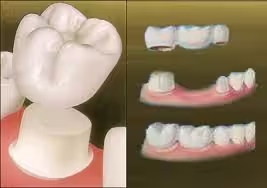 If you’re looking to restore your smile, re-align your bite, or even prevent remaining teeth from moving, a dental bridge may be the perfect solution. Bridges are natural-looking dental appliances that fill the gap created by one or more missing teeth. Bridges are barely noticeable and can restore the natural contour of teeth as well as the proper bite relationship between upper and lower teeth.
Bridges are made of porcelain, gold alloys or combinations of materials and consist of Abutment teeth and Pontic teeth. Abutment teeth are the anchors that hold the false teeth/tooth in place, and are molded and then bonded to fit the existing teeth on either side of the gap. The Pontic teeth fit in the gap and are then cemented in place.
There are several types of fixed dental bridges, with the traditional bridge (explained above) being the most common.
Bridges, with proper oral hygiene and regular Midtown West dentist checkups, can last fifteen years or longer.
Crowns are synthetic caps, usually made of a material like porcelain or stainless steel, placed on the top of a tooth to restore its function and appearance.
Crowns can be used for a myriad of problems including but not limited to:
Covering a misshapen tooth, protecting a weak tooth from breaking or cracking or covering a tooth with a filling. Crowns also serve an aesthetic use, and are applied when a discolored or stained tooth needs to be restored to its natural appearance.
A tooth must usually be reduced in size to accommodate a crown. The amount that the tooth is filed down depends on the type of crown and the decay, if any, involved in the original tooth. An impression is then made from the existing tooth and is sent to a lab, which manufactures a custom-designed crown. In some cases, a temporary crown is applied until the permanent crown is ready. Permanent crowns are cemented in place.
Crowns, with proper care, can last from five to fifteen years depending on the amount of wear and tear they experience. Certain habits such as jaw clenching or bruxism (teeth grinding) significantly shorten the life of a crown. It is very important to floss in the area of the crown to avoid excess plaque or collection of debris around the restoration. Moreover, eating brittle foods, ice or hard candy can compromise the adhesion of the crown, or even damage the crown.
Please contact our Upper East Side Dentist with any questions or to schedule an appointment.
<![CDATA[
Manhattan Kids Oral Health | Tribeca Dental Office
 Your Manhattan kids oral health and well-being is always our top priority and this is especially true when it comes to matters that concern the mouth. There are a number of things to be aware of when taking care of your child’s teeth and we at Dr. Lattinelli’s office want to make sure that you are aware of everything you need to know. You child should be seen by our office as soon as they reach 6 months in age. By this time their first teeth should be just starting to come in—this is a critical time to spot any problems before they can become worse.
By the age of 3 every child grows 20 primary teeth. This is an important time because this is what sets the stage for when the permanent teeth develop. If something goes wrong with the primary teeth, there’s a good chance the permanent teeth will suffer the same fate if not corrected. Brushing during this time is important; gums and teeth can be gently cleaned with special infant toothbrushes that fit over your finger. Toothpaste isn’t necessary because the baby may swallow the toothpaste and anything with fluoride should be avoided for all children under the age of 2.
Injures happen, and it’s important to know what to do in case of an accident. Mouth guards should always be used with any athletic physical activities or sports. If a tooth is knocked out place it in milk, saline, or the victim’s saliva. If it’s not completely knocked out, try to place it back in the socket while waiting to see us. Sealants are another way to protect the teeth. It fills in the ridges on the chewing part of the tooth to seal it from food and plaque. The sealing process is easy to apply and lasts for several years.
Contact our Upper East Side Dentist to schedule your next appointment or if you have any questions.
When asked why they avoid or put off dental procedures, patients almost always give the same answer – they are afraid it is going to hurt. While it is true that injections have been painful in the past, new advancements and techniques are making pain free Upper East Side dental injections the norm. As a highly regarded member of the Manhattan dental community, Dr. Lattinelli is committed to not only proving the very best results, but to doing everything possible to make your experience enjoyable. Pain free dental injections are an integral part of this important goal.
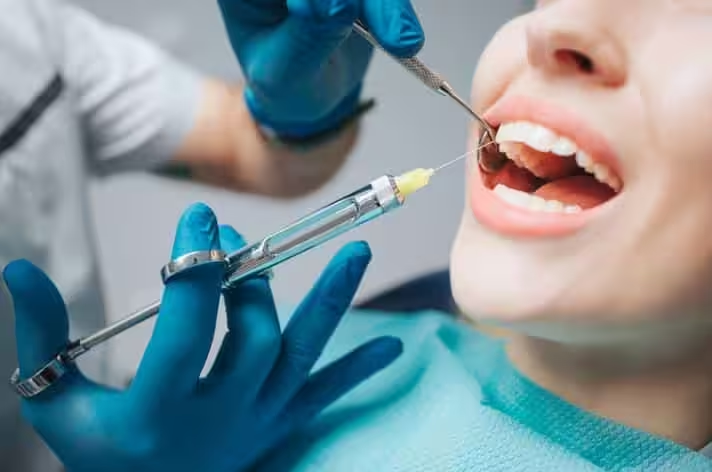
What many people do not realize is that it is not the injection itself that traditionally causes pain, but the introduction of the anesthesia which burns as it enters your gum. The burning sensation is due to several factors, not the least of which being the acidic ph of the anesthetic. The introduction of neutral ph anesthesia has gone a long way to reducing the burn, and thus the pain of the overall experience. A second way that pain-free dental injections are being accomplished is through much thinner needles than have been utilized in the past. The thinner needle minimizes the intrusion into the gum.
Finally, the introduction of the anesthesia can be much more comfortable if it is injected slowly as opposed to with one quick push. When the influx of the anesthetic begins at surface level and is only injected more deeply when the surrounding area is numb, the whole experience is more pleasant. This takes a little more time, but is far more comfortable for the patient. By utilizing these techniques, Dr. Lattinelli can ensure as close to a totally pain-free visit that you can experience. One visit and it is easy to see why he is a frequent recipient of many awards, honors and into the Consumer Research Council’s prestigious list of “America’s Best Dentists”. Because of his passion about staying on the forefront of the best techniques in all aspects of Lenox Hill dentistry, including pain-free dental injections, Dr. Lattinelli remains your best choice for care.
Feel free to call or contact us online with any questions. Don’t forget to schedule your next Upper East Side Dentist appointment.
Midtown East Baby Teeth | Upper East Side Dentist
Ah, the Midtown East baby teeth: those cute little pearl buttons that start to appear in a child’s mouth at around 6 to 9 months of age. Like pacifiers and bedtime stories, they’ll be gone before you know it — the last usually disappear by age 10-13. So if our cosmetic dentist tells you that your young child needs a root canal, you might wonder why — isn’t that tooth going to be lost anyway?

The answer is yes, it is — but while it’s here, it has some important roles to play in your child’s development. For one thing, baby teeth perform the same functions in kids as they do in adults: Namely, they enable us to chew, bite, and speak properly. The primary teeth also have a valuable social purpose: they allow us to smile properly. If a baby tooth is lost prematurely at age 6, the child may suffer detrimental effects for five years or more — and that’s a long time for someone so young!
Even more important, baby teeth have a critical function in the developing mouth and jaw: Each one holds a space open for the permanent tooth that will eventually replace it — and it doesn’t “let go” until the new tooth is ready to come in. If a primary (baby) tooth is lost too soon, other teeth adjacent to the opening may drift into the empty space. This often means that the permanent teeth may erupt (emerge above the gum line) in the wrong place — or sometimes, not at all.
The condition that occurs when teeth aren’t in their proper positions is called malocclusion (“mal” – bad; “occlusion” – bite). It can cause problems with eating and speaking, and often results in a less-than-perfect-looking smile. It’s the primary reason why kids get orthodontic treatment — which can be expensive and time-consuming. So it makes sense to try and save baby teeth whenever possible.
Procedures like a root canal — or the similar but less-invasive pulpotomy — are often effective at preserving a baby tooth that would otherwise be lost. But if it isn’t possible to save the tooth, an appliance called a space maintainer may help. This is a small metal appliance that is attached to one tooth; its purpose is to keep a space open where the permanent tooth can come in.
If your child is facing the premature loss of a primary tooth, we will be sure to discuss all the options with you. It may turn out that preserving the tooth is the most cost-effective alternative in the long run. If you have questions about your child’s baby teeth, please contact our dental office or schedule an appointment for a consultation.
West Village Teeth & Mouth Injuries | Upper East Side Dentist
Athletes in contact sports are at significant risk for traumatic injury to their teeth and mouth. It’s estimated 600,000 emergency room visits each year involve a sports-related dental injury. Visit our dentist office to get your mouthguard.
Athletic mouthguards have become the premier safeguard against sports-related oral injuries. First worn by professional boxers in the 1920s, mouthguards are now required for use by various sports associations and leagues — from amateur youth to professional — for a number of sports. The National Collegiate Athletic Association (NCAA), for example, requires their use during play for hockey, lacrosse, field hockey and football. The American Dental Association recommends mouthguards for 29 sports or exercise activities.
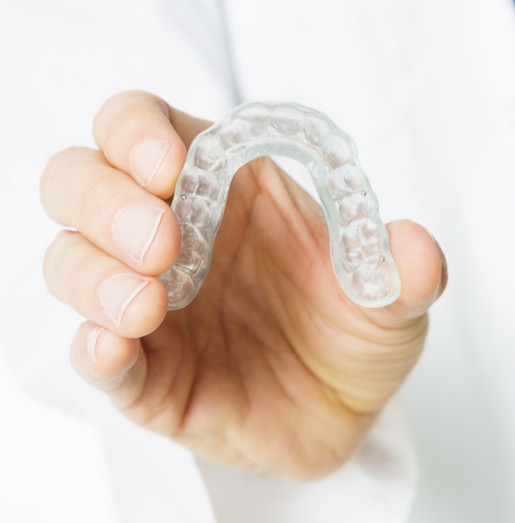
But do mouthguards actually prevent injury? To answer that question in a scientific manner, the Journal of Sports Medicine published an evidence-based report in 2007 on mouthguard effectiveness for preventing or reducing the severity of oral-facial injuries and concussions. While the report objectively analyzed many of the problems and issues associated with mouthguards (like materials, design and durability), it concluded the risk of an oral-facial injury was nearly two times greater without the wearing of a mouthguard.
That being said, most dentists and other professionals in sports safety would advise not all mouthguards are alike. The stock, “off the shelf” mouthguard found in many retail stores with limited size offerings is the least expensive, but also least protective, of mouthguard types. Mouth-formed or “boil-and-bite” protectors, which are softened in boiling water and then bit down on by the player to form the fit, are better than the stock version — however, they often don’t cover all of the player’s back teeth.
The best option is a custom-designed guard made for the individual patient. Although relatively expensive (costs range in the hundreds, compared with $25 or less for a stock guard), they provide the highest recognized level of mouth protection.
The bottom line: a mouthguard is a must-wear part of any uniform for any sport that involves contact or high velocity objects of play. If you or a family member is a contact sport athlete, it’s essential you protect your teeth and mouth with a custom-fit, high quality mouthguard.
If you would like more information on mouthguards, please contact our Upper East Side dentist or schedule an appointment for a consultation.
Manhattan Oral Heath for Kids | Murray Hill Dental Office
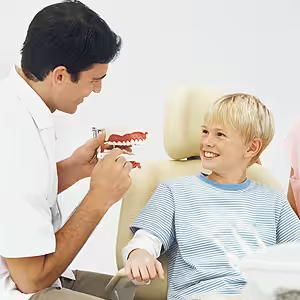
As a parent, the task of guiding your children through their physical, mental and social development can sometimes seem overwhelming. That doesn’t have to be the case with their dental development — that’s because we’re one of your most reliable support partners for oral health. We’re available not only to treat problems as they arise, but to also offer expertise and resources that can help you help your children establish life-long oral health.
Here are just a few ways we can help guide you along the path to a brighter dental future for your children:
Age One Dental Visit. A healthy life is built on healthy habits — and there’s no better habit for great dental health than regular checkups. We recommend your child’s first visit with us around their first birthday. Beginning this early not only helps us identify any emerging dental problems, it can also help the child — and you — become more comfortable with visiting the dentist. As they grow older they’ll think nothing of their regular visits in the dentist’s chair.
Help! While your child’s first teeth coming in are exciting milestones, the teething process can be extremely frustrating. And, when those same primary teeth give way to their permanent versions, you’ll develop a new set of concerns about their development. By establishing a long-term trust relationship with us, we can offer a wealth of knowledge and tips (as well as needed reassurance) concerning the various stages of your child’s dental development.
“Do as I Do.” Dental visits are important — but the greatest contribution to long-term dental care is a daily habit of proper brushing and flossing, which should start as soon as your child’s first teeth begin to appear. “Modeling” is the best approach for instilling this habit in your child — performing hygiene tasks together and allowing them to learn how to do it from you. To be sure you’re passing on the proper technique, we’ll be glad to provide you with instruction on brushing and flossing — for your sake as well as theirs.
Although rewarding, raising a child is a tough job. When it comes to their oral health, though, we can help make that job a little easier.
If you would like more information on building the right foundation for your child’s dental health, please contact us or schedule an appointment for a consultation. You can also learn more about this topic by reading the Dear Doctor magazine article “Dentistry & Oral Health for Children.”