Lenox Hill Oral Cancer | Upper West Side Cosmetic Dentistry
Our dentist is interested in more than just your teeth. Your entire mouth is under our care. That’s why, during your checkups, our dentist will check for any signs of oral cancer. The American Dental Association has recommendations to help your dentist check for signs of oral cancer. If any symptoms are present, you will probably be seen again in a few weeks and if symptoms persist, be referred to a specialist.

Our dentist look for:
- Red or white patch
- Sore that bleeds easily or doesn’t heal
- Thick or hard spot
- Lumps
- Rough or crusted area
- Numbness
- Pain
- Change in the way your teeth fit together
Be sure to tell our dentist about any of these symptoms right away.
You can avoid many of the risk factors associated with oral cancer. Smoking puts you at risk, as does drinking more than two drinks a day. Even smokeless tobacco products can increase the risk of oral lesions. A diet low in fruits and vegetables also seems to increase the chances of oral cancer. Excessive exposure to the sun can cause lip cancer. It’s best to avoid these behaviors to decrease your risk, and be sure to visit our dental office regularly.
Tribeca Tooth Decay | Murray Hill Cosmetic Dentistry
No one wants cavities, or to have to have their teeth drilled and filled. Tooth decay is caused by bacteria and acids, which cause plaque that clings to the teeth. The acid in the plaque dissolves tooth enamel, leading to cavities. They are unsightly, painful, and expensive, so the best method to prevent cavities is by preventing tooth decay with regular visits to our dental office.
 One great way to start preventing tooth decay is by avoiding sugary and starchy foods, like cereals, soda, fruits, cakes or candy. Carbohydrates such as pretzels and chips can remain on the tooth surfaces. Eat nutritious and balanced meals and limit snacks. Make sure you brush your teeth regularly, at least twice a day. The American Dental Association recommends using fluoride toothpaste while brushing after each meal and before going to bed. You also should clean between your teeth using floss or interdental cleaners.
Visiting our dentist regularly for professional cleanings is essential in preventing tooth decay. You should see our cosmetic dentist Hygienists at least twice a year. After your oral exam, your dentist might recommend a dental sealant to prevent tooth decay. This is a plastic protective coating that is applied to your chewing teeth. Your dentist may also recommend the use of supplemental fluoride, or a fluoride rinse. Taking these easy steps will help you prevent tooth decay, and keep you in good oral health!
Lenox Hill Dental Office | Upper West Side Dentist
Many patients hear the words “root canal” and go into a panic, not fully understanding what the procedure entails. Our Upper West Side dentist is here to keep you informed and let you know about the remarkable effectiveness of root canal therapy. This is an advanced procedure that usually results in little or no pain and discomfort, while restoring a weakened tooth to its previous, healthy strength.
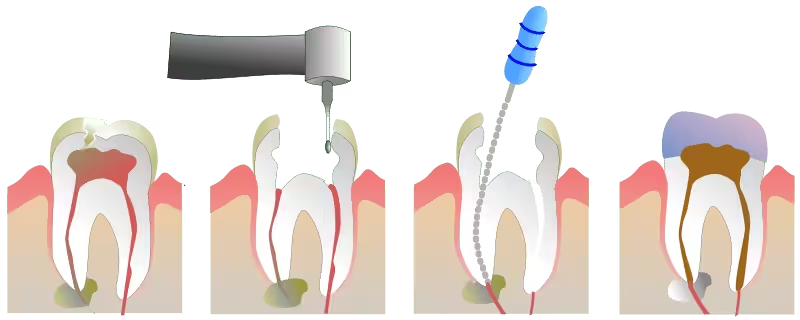
The root canals are tiny passageways that branch off from the top of your teeth, down to the tip of the root. Every tooth has one to four of them. Should your tooth become infected, the infection can spread through these canals to the pulp of the tooth-the inner chamber containing blood vessels and nerve endings. If this infection should worsen, it can affect the roots as well. Root canal therapy is an effective method of removing these infections, stopping their spread, and saving the still-healthy portions of the tooth.
Root canal therapy works by drilling a small hole in the surface of the infected tooth. Diseased tissue is removed through this hole, and the inside of the tooth is cleansed and disinfected. The canals are reshaped, and both chamber and canals are filled with a material designed to prevent further infection. A permanent seal is eventually made over the hole via a crown on the tooth. This procedure is relatively painless, completely safe, and decidedly effective.
It is vital that you have the health of your teeth checked regularly by our Manhattan cosmetic dentist, as well as maintaining a strict regimen of good dental hygiene. If an infection is caught early enough, a root canal can save you from having to have one of your teeth removed. Our dental office technicians are expertly trained in this practice, and promise you the best care you can possibly receive.
Manhattan Good Dental Habits | Upper East Side Dentist Office
Oral health begins with the most basic of good habits – clean teeth through proper daily care. Your parents and our dentist were right all along; brushing your teeth two times a day, for at least two minutes each session, goes a long way toward keeping your mouth and smile healthy. Cavities can be averted by keeping tooth surfaces clean, while gum disease is prevented by keeping the area where teeth and gums meet clean.

The ADA – and our dentist – recommend that you utilize a soft-bristled tooth brush that fits your mouth properly. You should be able to reach every area of your mouth comfortably so as to leave no surface untouched. Electric or battery-operated toothbrushes may minimize plaque and gingivitis more so than brushing manually. Good technique includes holding the brush at a slight angle, with the bristles aimed at the base of the tooth and the gum line. Move the brush with short back-and-forth movements. No area of the mouth should be neglected, so be sure to clean all surfaces of the tooth, including the outside and inside surfaces. Brushing your tongue is also a key element to a clean mouth that is often overlooked.
In order to keep your brush in its most effective condition, rinse with water after every brushing and store upright as it air-dries. Closed containers can promote the growth of bacteria and should be avoided on a daily basis. A new toothbrush (or replacement head for an electronic brush) should be purchased when bristles become frayed or worn down, which is usually about every three to four months.
While brushing goes a long way towards good oral health, there are many areas of the mouth that are only reached by flossing. Tight spaces between the teeth and areas along the gum line can harbor bacteria and particles of food, making daily flossing important. Make sure you have a gentle touch, rubbing the floss against the teeth and not cutting towards the gum. You can also choose to use an inter-dental cleaner — such as a special wooden or plastic pick, stick or brush – to clean besides teeth as an alternative to conventional floss. Some people may also choose to utilize an oral irrigator — a device that targets a concentrated flow of water at the teeth. Take note, an oral irrigator doesn’t replace daily brushing and flossing, since it will not remove plaque.
Finally, to avoid gum disease, cavities and other oral health problems, visit our cosmetic dentistry office regularly for cleanings and exams. Remember, early detection and treatment of problems with your gums, teeth and mouth will help guarantee a healthy mouth and smile for years to come. Dr. Lattinelli provides superior dental care to the Upper East side of Manhattan, as well as a full array of dental services to gain and maintain a beautiful smile!
<![CDATA[
Lenox Hill Baby Teeth | Manhattan Dental Office
 When you have a new baby, the care and attention required is almost endless! Don’t forget that your baby’s tiny teeth need attention, just like yours. Our cosmetic dentist has a few easy steps to add to your your daily routine with baby, and establish good dental habits early in life. You can even start oral care before those adorable baby teeth come in.
Before baby teeth show the first signs of arriving, use a soft, moistened washcloth or gauze to gently wipe down your baby’s gums at least twice a day. This is especially important after feedings and before bedtime. This will wash off any bacteria that may be clinging to the gums. If it isn’t wiped off it can create a sticky plaque that damages infant teeth as they grow in.
When those tiny buds of teeth do start breaking through the surface, it’s time to start using a toothbrush. Be sure to choose one appropriate for babies, and look for a toothbrush with a soft brush, small head and a large handle. At first, just use a wet toothbrush with no paste. Then you can start using a tiny amount of toothpaste, moving up to about a pea sized amount of toothpaste when the child is three. Brush gently all around baby’s mouth, front and back. It’s up to you to care for your baby’s teeth until they can brush and rinse without assistance, usually around the age of 6. Make sure your baby visits our Upper East Side dentist by the age of one for a checkup, and they will be on their way to a lifetime of good oral habits.
<![CDATA[
Manhattan Gum Disease | Upper East Side Dental Office
 We hear a lot about gum disease, but what is it, really? The truth is the signs of periodontal disease can be very subtle, so it's important to see our Manhattan cosmetic dentist regularly for check ups. If you have red, swollen or tender gums, you should definitely make an appointment. Other noticeable symptoms include gums that bleed when you brush, bad breath, receding gums, loose or shifting teeth, or pockets between gums. These may be signs that you have gingivitis or periodontitis.
Gingivitis is gum inflammation, where bacteria in plaque build up, causing the gums to be inflamed and irritated. Left untreated, it can advance to periodontitis. At this stage, the inner layer of the gum and bone pull away from the teeth and form pockets where debris can collect. It can become infected, and the body’s immune system starts to fight the bacteria as it grows beneath the gum line. Toxins start to break down the bone, and the teeth are no longer anchored in place. Gum disease is the leading cause of tooth loss in adults.
In addition to regular visits to your dentist, proper plaque control can prevent and reverse gum disease. Proper habits include professional cleanings at least twice a year, and daily brushing and flossing. The American Dental Association also recommends antibacterial mouth rinses that can reduce bacteria that cause plaque. Visit our dental office if you see any of the signs of gingivitis or gum disease.
Lenox Hill Root Canal Therapy | Manhattan Dentist
Root Canals have a reputation for being a huge ordeal, but in reality they are pretty similar to having a routine filling, and usually can be completed in one or two appointments with our Upper East Side dentist. There are many advantages to a Root Canal instead of removing the tooth, like efficient chewing, protecting other teeth, and a natural smile. It helps to understand exactly what a Root Canal is, and how it can save your natural tooth.
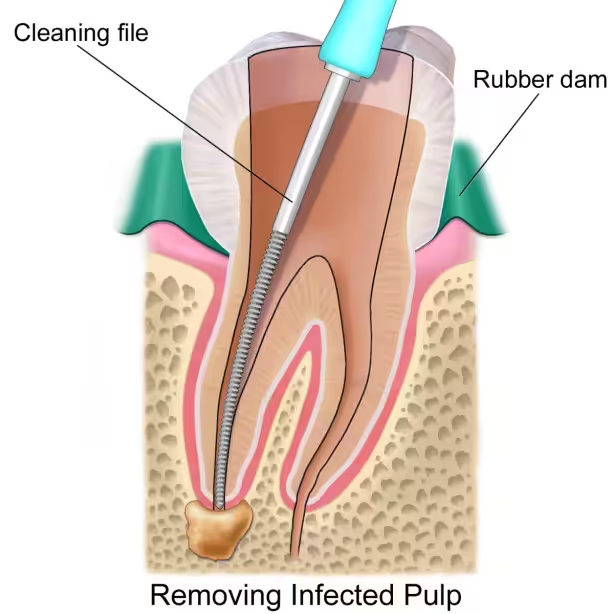
Inside your teeth is a soft tissue called the pulp that runs down both roots. It contains blood vessels, nerves and connective tissue. This tissue can become inflamed or infected from deep tooth decay, repeated dental procedures, faulty crowns, or a crack or chip in the tooth. During a Root Canal the pulp is removed, the tooth is cleaned and disinfected, and then filled and sealed with a rubber-like material called gutta-percha.
You should see our Manhattan cosmetic dentist immediately if you have any signs that Root Canal therapy is needed. These include severe toothache, pain when chewing or application of pressure, sensitivity to hot or cold temperatures, discoloration or darkening of the tooth, swelling and tenderness in nearby gums, or recurring pimple on the gums. Sometimes, there are no symptoms, which is why it is so important to see our Upper East Side dentist for a check-up every 6 months.
Midtown West Replacing Teeth | Manhattan Dentist
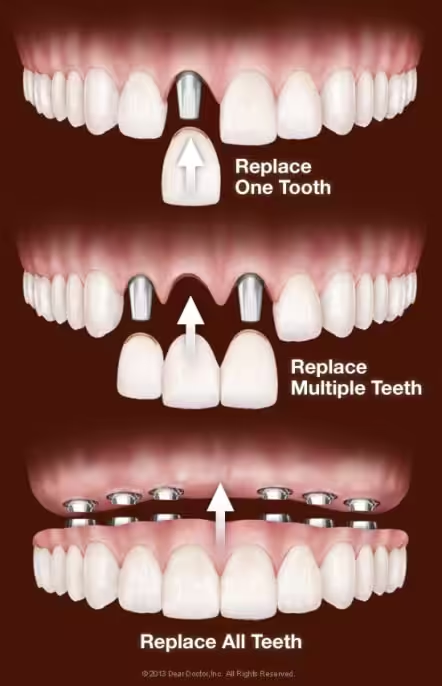 If you are missing a tooth, it affects your life in a big way. Not only are your looks and smile diminished, but you use your teeth to speak and chew, and a missing tooth can make those difficult. Fortunately, missing teeth can be replaced in several different ways. Your dentist may recommend dental implants, a fixed bridge, or a removable partial denture. Which option you choose can depend on your concerns, finances, and goals for treatment.
Manhattan Implants are titanium posts that are surgically placed in the upper or lower jaw. A replacement tooth is then attached. This give the patient a sturdy tooth replacement that works well for most people, and they never have to be removed. Another option is a fixed bridge, which uses your natural teeth next to the empty space to support a false tooth. Your dentist must contour the adjacent tooth so that a crown can be placed on it to support the bridge. This is sometimes a more affordable solution than implants.
The final option is partial dentures. These hold false teeth on a plastic or metal framework which is removable. It’s designed to fit around adjacent teeth, and needs to be removed nightly for cleaning and to allow the gum to breath. If you’ve lost a tooth, make an appointment with our Upper East Side dental office to discuss all your options. You’ll be on your way to a confident smile once again!
Midtown West Dental Health | Upper East Side Dentist Office
Basic dental care is extremely important to your overall health and well being. It prevents tooth decay and gum disease, prevents bad breath, and saves money by reducing the need for fillings and other costly procedures.
You want your teeth to last a lifetime, so here are some habits that you can add to your daily routine to help care for your teeth and gums in the best way possible.
Oral health begins with keeping your teeth clean. Brush your teeth twice a day, and be sure to use the proper technique. Hold your toothbrush at a slight angle, aiming the bristles where tooth meets gum. Then gently brush with short back and forth motions. You should also use a toothpaste that contains fluoride, and you should ask our Manhattan dentist if you need a mouthwash that contains fluoride. An electric or battery-operated toothbrush can reduce plaque and gingivitis.
Flossing at least once a day is also extremely important. Flossing reaches the tight spaces between your teeth and under the gumline. To do it properly, break off about 18 inches of dental floss. Wind most of the floss around the middle finger, and grip the floss tightly between your thumbs and forefingers with the other hand. Gently guide the floss between your teeth until it reaches the gum line, then rub the tooth back and forth. Do this one tooth at a time through the rest of the mouth. Other tips include avoiding sugar and tobacco, and of course, scheduling regular trips to our Tribeca dental office for checkups and cleanings.
<![CDATA[
Manhattan Dentures Care | Upper East Side Dentist
Today's dentures are made from advanced materials. If you recently received a brand new pair of dentures, you'll want to keep them 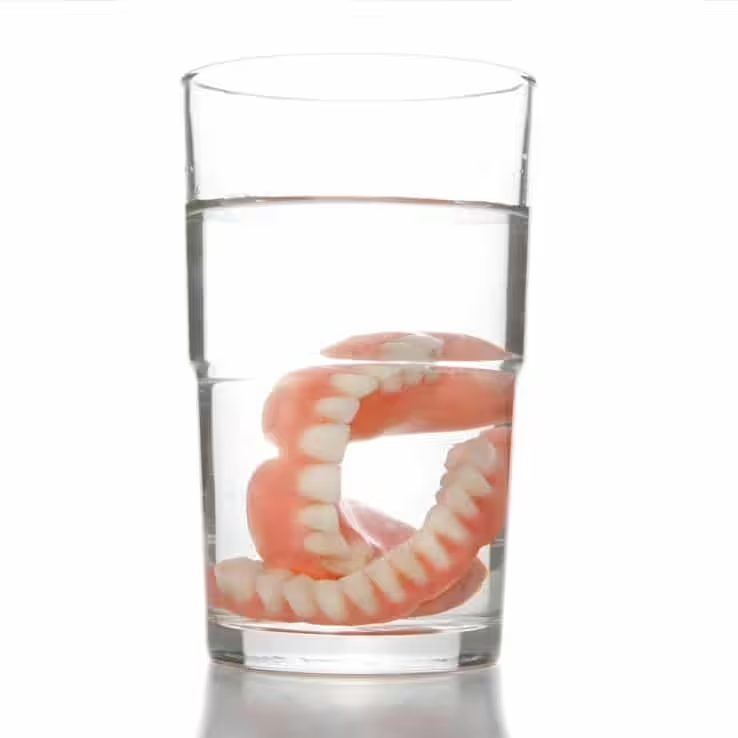 looking their best. Like natural teeth, dentures must be cared for the same way with brushing and dentist visits. Brushing your dentures cleans off plaque, food, and other debris that can be harmful to your mouth and your dentures. Unclean or distorted dentures can cause infections of severe irritation. Visiting our Upper East Side dental office allow a licensed professional to deep clean and make any adjustments and changes to your dentures to ensure they continue fitting comfortably and safely.
Rinsing and brushing your dentures after every meal and soaking them in denture solution every night keeps you dentures in their best shape and allows your gums to breathe. There are several simple cleaning techniques you can utilize to keep your dentures their cleanest. To brush your dentures, you can use either a slightly abrasive toothpaste, soap and water, or denture cream. Avoid using abrasive chemicals and paste as well as scrubbing your dentures too hard as this can cause them to crack or scratch. Always clean your dentures with cool or lukewarm water so as not to warp the dentures. Make sure to place a washcloth beneath your dentures during cleaning so they don't break if they fall. Soak your dentures overnight in commercially available products like Efferdent or Polident; always rinse them before your next use. Finally, use a separate toothbrush to clean you natural teeth and your gums. If you don't have any teeth, a soft washcloth can be used to wipe you gums.
Over time, your denture cleaning habits will become second nature and will lead to long denture life and a healthy mouth. Our professional dentist staff is here to provide you with the quality care you need, whether you have new, old, partial, or a full set or dentures. For more information on denture care and our services, contact our Manhattan dental office today.