Manhattan Missing Tooth Options | Upper West Side Dentist
After losing a tooth, you are faced with several options. While you could just ignore the problem, replacing a missing tooth is much more optimal. To restore maximum function, maintain healthy alignment and preserve facial contours, consider the following options, as curated by Dear Doctor.
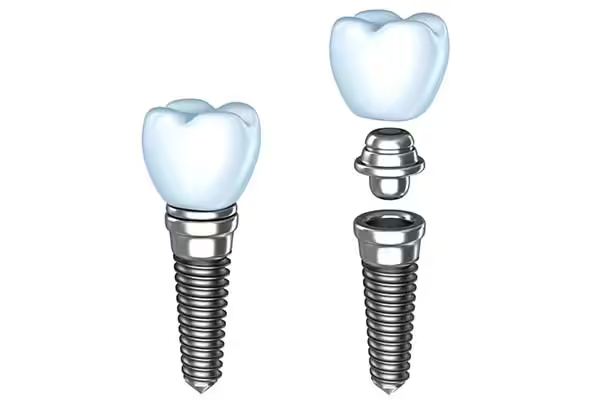
Dental Implant
A dental implant is a tooth root replacement that has an attached, separately fashioned crown. For this option to be successful, there must be a sufficiently healthy jawbone and adjacent gums to anchor the implant. Some pros of a dental implant are that it will stimulate, remodel and rebuild the jawbone, it is aesthetically functional and reliable, it does not compromise the appearance of other teeth and there is a decreased risk of gum disease. However, some cons associated with the dental implant are that it is a more expensive option and it requires minor surgery and healing time before a permanent crown can be placed.
Fixed Bridge
A fixed bridge was the standard approach for tooth replacement before implants. For a fixed bridge, also known as a three-unit fixed partial denture, the two teeth on either side of a missing tooth gap are crowned to support the added false tooth. Some pros of this procedure are that it provides the normal, expected function and aesthetics of a replaced tooth, there is less wait time and it is less expensive than a dental implant. Some cons are that the fixed bridge can damage other teeth, lead to tooth decay and the jawbone may deteriorate over time.
Removable Partial Denture
A removable partial denture is an artificial tooth that is anchored in gum-tissue-mimicking-plastic. It is attached to metal clasps that hook onto the adjacent natural teeth, and can be removed for cleaning. Some pros of the removable partial denture are that it is functional and the least expensive option. Some cons of the removable partial denture are that it has the greatest susceptibility for gum disease and tooth decay, it usually results in loose teeth, you may experience stability or comfort issues, it may not fit correctly over time and the jawbone may deteriorate.
Consider these options, and visit the office of Joseph C. Lattinelli, DMD today. We welcome new patients, friends and family, and can help you replace your missing tooth with the best possible option for you.
Midtown West Dental Implants & Bridgework
Millions of people around the world today live with missing teeth. In fact, the statistics in the United States are staggering: 69 percent of Americans age 35 to 44 have at least one missing tooth, and one in four over the age of 74 have lost all of their natural teeth. Perhaps you’re needing to replace missing teeth but are not quite sure how to approach the process. We’ve got some helpful information regarding the two best alternatives to missing teeth: traditional bridgework and dental implants. While both are reliable, functional, and aesthetically pleasing options, it’s important to understand the differences between the two. Take a closer look at bridgework and dental implants.
Bridges
What is a dental bridge?
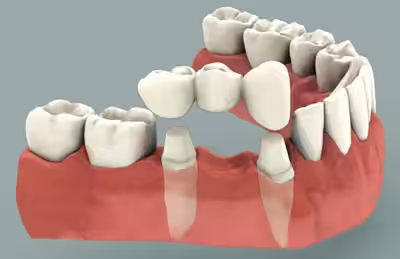
A dental bridge is literally that – a bridge which closes the gap resulting from missing teeth. A bridge is an appliance made up of two or more crowns which is attached on either side to natural teeth. A bridge incorporates either a metal or porcelain frame that attaches to existing teeth. These adjacent teeth must be prepared through a process that involves the removal of enamel. According to dental professionals, this preparation process can increase the risk for tooth decay.
What are the benefits of dental bridges?
- Restore smile
- Restore chewing and speaking abilities
- Prevent other teeth from drifting
- Maintain facial shape
Implants
What is a dental implant?
A dental implant is an appliance that acts as a replacement for the tooth root. A dental implant provides a strong foundation for either fixed or removable replacement teeth. With a dental implant, a titanium metal implant is fused directly into the jawbone through a minor surgical procedure. According to dental professionals, dental implants are less likely to lead to gum disease than dental bridges.
What are the benefits of dental implants?
- Improved smile, appearance, and speech
- Greater comfort when eating
- Improved oral health
- Durability and convenience
Considering a dental bridge or dental implant? The professionals at Dr. Joseph C. Lattinelli and Associates are here to provide the information you need to make informed dental decisions. Visit the dental office of Dr. Joseph C. Lattinelli and Associates or give us a call to start your journey towards a healthier smile!
Children Dental Habits in Murray Hill | Cosmetic Dentistry Midtown Manhattan
It’s never too early to start working on good dental habits, and children may avoid later problems if they develop behaviors that encourage proper dental care. Many children don’t have good habits about brushing their teeth or flossing, and parents need to take the initiative to teach them proper techniques. It can save children a lot of discomfort and parents a lot of money over time when children follow proper dental habits.

It’s never too early to start working on good dental habits, and children may avoid later problems if they develop behaviors that encourage proper dental care. Many children don’t have good habits about brushing their teeth or flossing, and parents need to take the initiative to teach them proper techniques. It can save children a lot of discomfort and the parents a lot of money over time when children follow proper dental habits.
Even infants are candidates for dental preventive care. An infant’s gums should be gently cleaned with a soft damp cloth or an infant’s toothbrush after every feeding. Once a tooth comes in, switch to a soft child’s toothbrush with a tiny bit of fluoride toothpaste after meals. As more teeth come in, continue brushing the same way.
Once a child is about two years old, you can add a bit more toothpaste, perhaps an amount equal to a water droplet or a pea. This should continue until about age 6, at which time good brushing habits are hopefully habitual and the child can continue with soft toothbrushes and a normal amount of toothpaste. Always teach your children to spit out toothpaste rather than swallow it.
Don’t use milk or juice to soothe a child at nap or sleep times. There is a lot of sugar in any juices or milk which can contribute to tooth decay over time. Children should only be given water outside of meals or snack times. If you give a child juice or milk, teach them to rinse their mouths with water if you aren’t able to brush their teeth. This will minimize the sugary residue.
Some other things to do or avoid with children for good dental health —
- Avoid sharing utensils with your child, or wetting a pacifier with your mouth before giving it to your child. This can transfer bacteria that can harm young teeth, and should be avoided.
- Start flossing a child’s teeth as soon as they have two teeth next to each other, because the spaces between adjacent teeth are where plaque can develop and contribute to decay.
- Take your child to a dentist early. It is often recommended to visit the dentist when the first tooth appears, and no later than one year old.
Dr. Lattinelli is happy to help you with any questions you may have concerning good dental health and proper preventive care for your children. Contact us today for a consultation, and we wish you good dental health!
Queens Dental Habits | Manhattan Cosmetic Dentist
Since childhood, we are taught to brush our teeth twice a day, floss regularly and visit a dentist every 6 months for maintaining our teeth. But healthy teeth and gums need much more than just brushing & flossing. There are several seemingly ‘innocent’ habits that put our teeth at risk for getting damaged permanently! Our cosmetic dentistry office has compiled a list of habits that can damage your teeth- chipping, cracking, enamel erosion or gum problems.
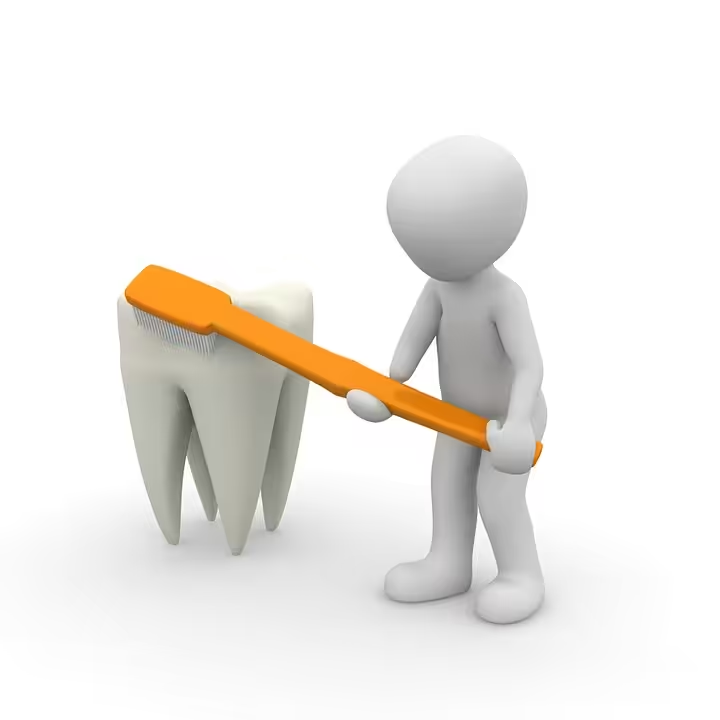
Using a Hard Toothbrush – If you use a brush that’s too hard, it can cause your gums (gingiva) to leave your teeth roots and recede. It can also lead to abrasion (loss of tooth structure) of teeth surfaces. It is best to use a soft-bristled, multi-tufted brush.
Brushing Hard – Even if you use a soft brush, brushing teeth with a lot of pressure can cause abrasion of teeth and gum recession. There is a proper technique to brush properly without applying too much pressure. Gentle up and down movements break up the plaque buildup on tooth surfaces. Your dentist will demonstrate the proper technique if you ask. Brushing twice a day — morning and night — is sufficient.
Brushing Immediately After Meals – Tooth enamel is weakened by acidity in foods and beverages. Brushing immediately after eating can erode the enamel. So, wait for 30 minutes, at least, post meals.
Biting Nails – Nail biting is a harmful habit that exerts forces, outside what’s normal, on the teeth and can wear them down causing small fractures.
Tooth Grinding and Clenching – Tooth grinding also called bruxism exerts excessive forces on the teeth that can result in wearing of teeth, fractures or even looseness, pain and other symptoms. It often occurs when people sleep; a night guard can help protect against damage from bruxism.
Not Using a Mouth Guard – While playing contact sports, mouth guards are very important to protect your teeth from blows to the face and head and reduce the risk of broken or lost teeth or even tongue bite and lip cuts.
Using Your Teeth as Tools – Your teeth are the most important tools meant for chewing and are not meant to be used as tools for opening bottle tops, chewing off threads, holding pins or pen caps etc. These behaviors can cause fractures, chips, and cracks.
Ignoring Expert Advice – If you are undergoing dental treatment of any sort be it braces, retainers, bridges, root canal treatment, it is always best to follow the doctor’s advice to the ‘t’. So if you are asked to wear your retainers for a certain duration of time or not to eat hard stuff till your treatment is over, follow it obediently.
Excessive Coffee or Aerated Drinks – Coffee and all types of aerated/soda drinks are highly acidic. They cause the enamel to erode over time causing damage to the teeth as well as result in staining.
Clean white teeth, well taken care of, will not only make you look good, but they will also help boost confidence. So, work on them and smile as much as you can. If you have questions please schedule an appointment with our Manhattan dental office. Dr Lattinelli’s office is located near the Upper East Side in Manhattan.
Murray Hill Toothaches | Manhattan Cosmetic Dentist
Nothing ruins your day like a toothache. Whether it’s mild discomfort or severe, throbbing pain, a toothache is a red flag that should prompt a visit to your dentist. Because the causes of toothaches may not always be immediately apparent, diagnosis by our dental office should always be your first course of action. Wondering what’s causing your tooth discomfort? Take a look at a few potential causes of toothaches.
Cavities or Cracks – When you think of a toothache, you usually think of cavities. Cavities are a common cause of sharp, stabbing tooth pain. A crack in the surface of the tooth causes similar pain.
Receding Gums – Irritated or receding gums cause tooth sensitivity, which leads to pain.
Thinning Enamel – Thinning of your teeth’s enamel can cause plenty of discomfort – especially when brushing or consuming hot or cold foods and liquids.
Abscess or Infection – Infection, such as occurs in the sinuses, can cause abscesses and throbbing, incessant pain. Sinusitis causes tenderness and swelling to both sides of the face as well as nasal congestion. An infection or abscess should be treated as soon as possible by a dentist or primary care physician.
Wisdom Teeth – For those who have not had their wisdom teeth removed, impacted molars are often the toothache culprit.
Temporomandibular Injury or Trauma – Tooth pain can originate in the jaw, caused by a number of temporomandibular disorders. Bruxism, or tooth grinding, is a common cause of damaged teeth. The teeth and jaw can also be affected by conditions such as arthritis and cancer.
Are you suffering with the discomfort of tooth pain? Visit the office of Joseph C. Lattinelli, DMD and associates for the highest quality dentistry services in Lenox Hill. Our accredited and highly-skilled team of professionals will work with you to determine the best treatment options for your unique needs. We offer a full range of dental services, ranging from preventive and diagnostic to cosmetic.
Manhattan Dentist | Upper East Side Cosmetic Dentistry
Tooth whitening is becoming more and more popular. Teeth can get stained over time from age or from eating and drinking certain kinds of foods. Coffee has always been a big culprit when it comes to stained teeth. But how safe is tooth whitening?
Years of research has been done regarding the safety of tooth whitening and it has been found that popular methods of tooth whitening is not only safe, but also very effective. One of the best ways to ensure that the tooth whitening product you have chosen is safe and effective, is to make sure it says “clinically proven” on the box.  Another way is to use products that have been recommended by your dental professional.
Sometimes people experience sensitivity to tooth whitening products that have stronger levels of bleach. This can result in sensitivity to hot or cold foods following the procedure. If for some reason your mouth becomes sensitive after a whitening procedure you can use toothpaste for sensitive teeth or wear the whitening product for a shorter amount of time. As with any cosmetic dentistry questions, your dentist can give you recommendations and warnings based on your dental history.
Dr. Lattinelli and Associates offer in-office bleaching of your teeth. This usually requires one office visit. A protective gel is placed over the gums to protect the soft tissues and a bleaching agent is then applied to the teeth. A laser light is used after the bleaching agent is applied to enhance the whitening agent. You can also do at-home bleaching. This requires an impression of the teeth to create a mouth guard. The mouth guard holds the whitening gel against the teeth for a specific period of time. Depending on the desired results, this can be done for up to four weeks or longer.
If you are interested in tooth whitening, make an appointment with Dr. Lattinelli and Associates today. Our dentist office can help you with all of your dental needs. We are located at 121 East 60th Street, 10th Floor, in New York, NY.
Lenox Hill Gum Disease | Tribeca Dental Office
Gum disease is a serious health problem that ranges from gum inflammation to major issues like damage to the bones that support the teeth. Gum disease is caused when bacteria multiply and form plaque on your teeth. If you don’t brush and floss your teeth after meals, especially meals that have a lot of sugar, the bacteria can eat away at the enamel on your teeth. Plaque that stays in place for a long period of time causes tartar, which needs to be removed by our dentist.
When there is tartar on the teeth, the gums can become inflamed. This makes them bleed or become red and is often called gingivitis. 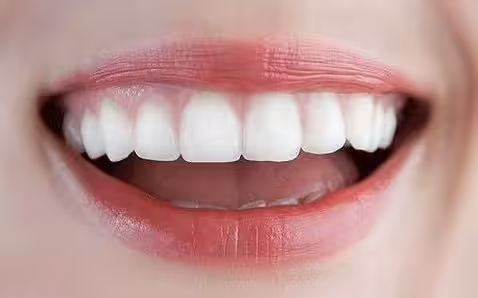 Gingivitis is a gum disease, but it can be reversed with proper oral health and a deep cleaning at the dentist. If left untreated, periodontitis can form. If the periodontitis becomes too advanced, the bone and tissues in the mouth are broken down and loss of teeth is possible.
There are a few signs of gum disease that you can look for: bad breath, swollen or red gums, gums that bleed when brushed or flossed, teeth that are sensitive to hot or cold food or drink, and gums that recede.
Certain people are at a higher risk for gum disease than others, especially people with diabetes. It is common for people with diabetes to develop periodontal disease earlier in life than people without diabetes. If not reversed in time, the tissue and bone can break down in the mouth and cause a loss of teeth.
Visiting your dentist regularly is an important way to guard against gum disease. The dentist or dental hygienist will be able to remove tartar that has built up in the mouth and can see the warning signs of gum disease. If you are told you have gum disease, your dentist will provide you with steps to take to reverse it.
Dr. Lattinelli cares about you and your oral health. If you haven’t been to the dentist in awhile, call us today at 212-752-7188 to make an appointment. Our Upper East Side dentistry office is conveniently located at 121 East 60th Street in New York. Your mouth will thank you.
Manhattan Cosmetic Dentistry | Upper East Side Dentist
Bad breath: we’ve all experienced it. Whether it’s your own or someone else’s, bad breath is unpleasant and downright embarrassing. Take a look at the tongue of a person with bad breath and you’re likely to see a white film – the notorious “white tongue”. Two dreaded things that no one wants around, a white tongue and bad breath usually go hand in hand. But what causes a white tongue and bad breath? And what can be done about it? Our Upper East Side dentist has got a closer look at the white tongue, bad breath conundrum.
What is a white tongue?
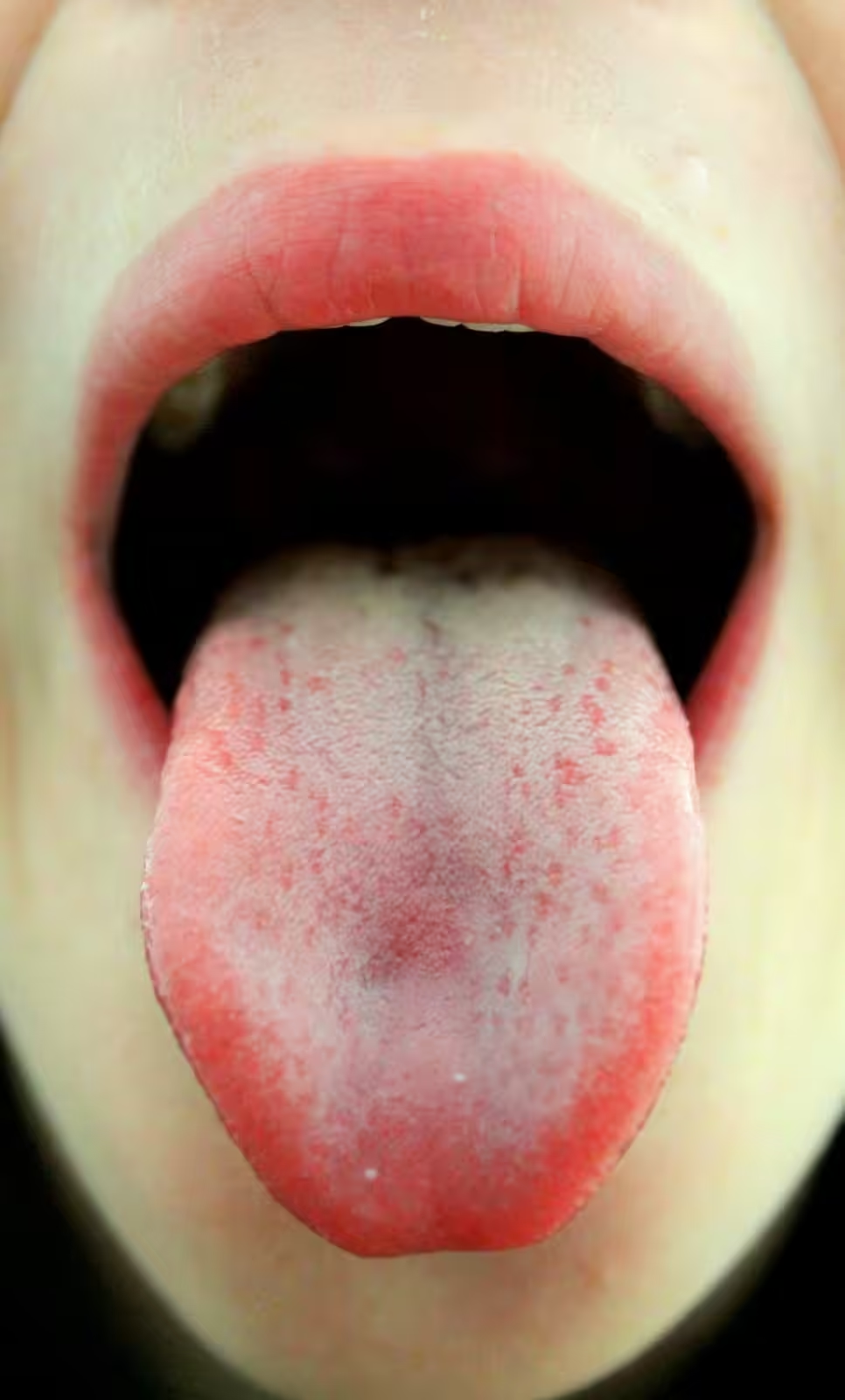
White tongue occurs when papillae on the surface of the tongue become overgrown and swollen. Bacteria and dead cells become lodged in between the papillae, creating the white-colored coating.
What causes white tongue?
There are a variety of factors which contribute to the development of a white tongue:
- Poor oral health
- Dehydration/dry mouth/mouth breathing
- Food buildup
- Alcohol and tobacco use
- Certain medical conditions such as:
- Sinusitis
- Postnasal drip
- Respiratory infections
- Acid reflux
- Gum disease
- Diabetes
- Fever
- Brush and floss twice daily
- Use a tongue scraper on the surface of the tongue
- Visit your our dentist twice yearly for dental checkups and cleanings
- Consume plenty of water throughout the day to stay hydrated
- Eliminate the use of alcohol and tobacco
What is the treatment for white tongue?
If you notice a white color to your tongue, it’s important to schedule a visit with our dental office pronto. Dr Lattinelli needs to assess your current oral health in order to provide informed guidance and treatment. Be sure to provide our cosmetic dentist with a thorough dental history and include any medical treatment you might be undergoing and medications you may be taking. Here are some of the best ways to stop the nefarious white tongue, bad breath problem in its tracks:
Lenox Hill Dentist Emergency | Upper East Side Dental Office
You take good care of your teeth. You keep those pearly whites healthy with regular brushing, flossing, and professional cleanings. But when the unthinkable happens and you injure a tooth, what do you do? We’ve got a closer look at how you should handle different types of tooth injuries. When you have an injured tooth, it’s important to act immediately. Visit our cosmetic dentistry office right away to have your injury evaluated and x-rayed. If the tooth or a piece of it has broken out of the mouth, make sure you bring it with you to the dentist. An over-the-counter (OTC) pain reliever can help with any pain from a broken, cracked, or chipped tooth. Here’s what you can expect in treatment for tooth injuries:
Chipped Tooth
It’s up to you to decide if and when the chipped tooth should be repaired. If you are not in pain, chip repair is not critical. Depending upon the size of the chip, it can be cosmetically corrected or repaired with a veneer, crown, or filling.
Cracked or Broken Tooth
In order to prevent further damage, a cracked or broken tooth needs to be repaired immediately. Symptoms such as pain and sensitivity to cold and hot can indicate the presence of cracks. A root canal or tooth extraction may be required.
Knocked Out Tooth
To successfully reattach a tooth, it’s important to get it re-implanted as soon as possible. Rinse a knocked-out tooth with water and replace it in its socket, then get to your dentist right away. Your best chance for re-implantation is within the first 30 minutes of injury; chances severely drop off after two hours.
Broken Jaw
If you suspect that your jaw may be broken, do not move it. Secure your jaw with a handkerchief or towel tied around the top of the head. Cold compresses can help to reduce any swelling. Go immediately to an emergency room.
Contact our dental office if you have questions and to schedule you next appointment. We are located at 121 East 60th St., 10th Floor in New York. We look forward to helping you with all your dentistry needs!
Upper East Side Tooth Decay | Lenox Hill Cosmetic Dentist
Tooth decay is a preventable oral disease that can have serious consequences on your dental health. Tooth decay happens when acid in the body dissolves the tooth enamel. Acid is produced by bacteria from carbohydrates and sugar. When there is a lot of acid, the tooth enamel is dissolved and can lead to the loss of the tooth.
One of the most important things you can do to prevent tooth decay and the loss of teeth is through flossing and brushing after every meal. 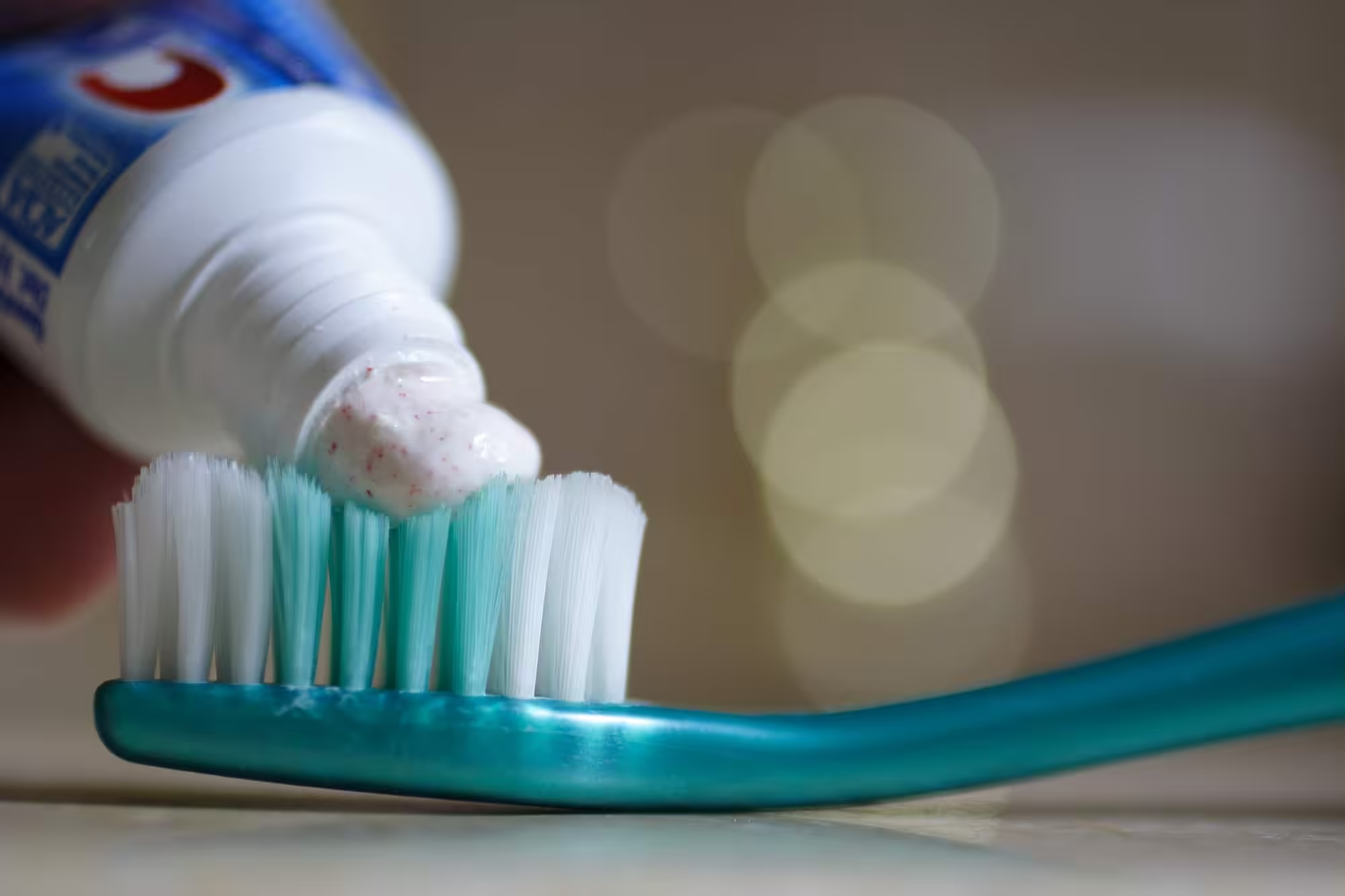 Daily plaque removal ensures there are minimal bacteria to create acid in the mouth. Brushing your teeth with fluoride toothpaste is also an important part of good oral hygiene because fluoride works to remineralize teeth and can help prevent tooth decay.
Another thing you can do to prevent tooth decay is through minimizing the amount of snacks you eat. The more meals you eat during the day, the more acid is produced in your mouth, especially if the foods you eat are sugary. Eating snacks like popcorn, fruit, nuts and vegetables are great choices to substitute for sugary snacks. If you do eat sugary snacks, make sure to brush and floss afterwards. If sugar remains in the mouth for a long period of time, acid will start eating at the tooth enamel.
For children and teenagers, a sealant is often a good option to protect the teeth. A sealant is plastic coating that goes on the teeth, usually on the back teeth and in small pits in the teeth.
Visiting our Lenox Hill cosmetic dentist office regularly is a great way to care for your mouth and help prevent tooth decay. Joseph C. Lattinelli and Associates care about your oral health. Schedule your appointment today at our Manhattan office by calling 212-752-7188 or by filling out our convenient online appointment request form. We look forward to having you as a patient.