Manhattan Canker Sores | Upper East Side Cosmetic Dentist
–
Mouth sores, commonly referred to as canker sores, can affect up to 20 percent of people at one time or another. Whether mild or severe, canker sores can cause difficulty with eating, drinking, and speaking. If you have canker sores you can’t get rid of on your own, Dr. Lattinelli has treatment options to help you. Don’t think you have to deal with them yourself.

Canker sores are painful, and a burning or tingling sensation is normally the first symptom you will notice prior to seeing the sore itself. Minor canker sores normally heal in a week or two without leaving scars. Major sores can be quite deep, difficult to cure, and can leave scars. Herpetiform sores are often clusters of smaller sores, and typically seen in older patients. They will often heal on their own without scarring.
There are different triggers for canker sores in patients and it can be difficult to diagnose a specific cause. Abrasions from dentures or braces can result in the formation of a canker sore. Vitamin deficiencies in iron, folic acid, vitamin B-12, or zinc can be a trigger for some patients. Intestinal upsets or disorders can cause canker sores, such as ulcers, irritable bowel disease, celiac disease or gluten intolerance, or other autoimmune diseases. Some patients are sensitive to the ingredient sodium lauryl sulfate in toothpaste, both in causing sores and preventing them from healing properly, so these patients need to avoid this chemical in the toothpastes they purchase.
Dental treatment for canker sores is available from Dr. Lattinelli. There are topical ointments, medications, rinses, and other products available to give you relief. For smaller sores that should heal on their own, home remedies have been used for years to provide some relief. These can include milk of magnesia, salt water or baking soda in water, or hydrogen peroxide.
A good diet and proper dental hygiene are the most important things for reducing the chance of canker sores. Avoid foods which irritate your mouth such as citrus, coffee, or salty foods. If you have any dentures or other items which rub the inside of your mouth, talk with Dr. Lattinelli about ways to reduce that abrasion which can lead to sores. Brush and floss your teeth regularly, and keep your immune system healthy. For any questions or concerns about canker sores or other dental issues, contact Dr. Lattinelli today.
Upper East Side Dental Implants | Manhattan Dentistry
–
A healthy smile begins with healthy teeth. However, many factors contribute to the health of your teeth. Genetics, disease, improper brushing, and age are a few. Missing one, few, or all your teeth can take a toll on your self-esteem. Luckily, with an experienced dentist, like Dr. Lattinelli and his team, you can have that charming smile and your confidence back with dental implants! Below are five real benefits of dental implants:
#1-Fountain of Youth: Aging causes us to lose teeth and bone structure as well. This loss of bone structure causes the skin around our mouth, cheeks, and eyes to appear looser and more wrinkled. Dental implants will not only replace your weak teeth, but make that skin surrounding tight again. You no longer need to hide your smile but instead can confidently let that smile shine. Plus, you will look and feel more youthful.

#2 & #3-Get Noticed in your Career and Relationship: This is science backed. Don’t hide your smile. It is scientifically proven that those who smile more get noticed. Studies have shown that employers tend to promote people who smile more. Plus, a research study found that most men found women who were not wearing makeup at all, but smiling, to be more attractive than women with great makeup on and hiding their smile. Don’t miss out on an opportunity to get promoted or meet someone new because you were too afraid to smile. Gain your confidence back with dental implants.
#4-Get Fit: Often our food choices are based on what is more comfortable to chew rather than its health benefits. Missing teeth may be painful or make it difficult to enjoy those healthier food options. Just like the bones in our bodies stay strong and healthy with exercise, the same goes for your jaw bones. Chewing healthy foods, proper care and regular visits to your dentist will help you enjoy healthier meal plans which in return will contribute to better overall health.
Too often a tooth is lost because of a mouth injury, caused from a fall or biting into something too hard. A dental implant is a great correction to this issue. You can replace one single tooth because the implant is anchored directly into the jaw, without affecting any surrounding healthy teeth.
#5- Stop and Reverse Osteoporosis and Bone Loss: Women and men are affected by Osteoporosis (the loss of bone material in our bodies). The first sign of deterioration is often in the jaw.
A healthy diet and exercise are beneficial at all ages, but also for our smiles. The healthier our teeth, the more we have, the better we can chew, thus the stronger our jaw bones. Dental implants have proved to slow, stop and even reverse bone loss in adults. They also assist in keeping the surrounding teeth strong and healthy.
Tired of hiding your smile? Schedule your consultation for dental implants with Dr. Lattinelli and let your smile shine again!
Toothbrushing Mistakes | Manhattan Dental Office
–
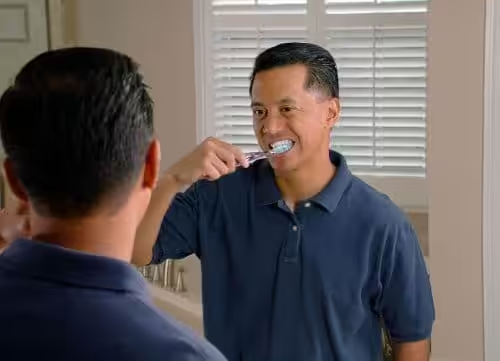
We all know how important it is to take good care of our oral health. After all, we learn to brush our teeth about the same time that we learn to walk. But because it’s a skill so basic and routine, toothbrushing often gets performed on autopilot. Have you ever stopped to think about whether you’re actually brushing properly? We’ve got some helpful information that’ll help keep things like cavities and gum disease at bay. Take a look at these nine common toothbrushing mistakes – and how to go about fixing them.
1. The Wrong Brush
Don’t just pick up the first brush you see in the grocery store aisle. You want a brush that feels good in your hand. Pick the soft variety; medium and firm bristles can damage your gums and enamel. Also, consider the size of the brush. “Think about the size of your mouth,” says Richard H. Price, DMD, consumer adviser for the American Dental Association. “If you are straining to open wide enough to let the brush in, the brush is probably too big.”
2. Short on Time
How often do you brush? While twice a day is recommended, three times a day is best. Make sure you aim for at least two minutes every time you brush.
3. Overdoing It
Using too much force while brushing can damage your enamel. “Don’t bear down too hard,” says Michael Sesemann, DDS. “Use a lighter touch.”
4. Improper Technique
Are you brushing the right way? Sesemann suggests holding the brush at a 45-degree angle to your gums and using short, up-and-down strokes. And don’t skip any teeth. “Don’t forget about those hard-to-reach areas,” advises Sesemann.
5. Stuck in a Rut
Dentists report that most of us always start brushing in the same location. It’s important to switch up your routine every day so you don’t get lazy. “Keep track of where you are going and where you have been. Make it to all the surfaces,” Sesemann says.
6. The Wrong Products
Yes, the kind of toothpaste you use really does matter. Whitening and tartar-control toothpastes can be too harsh, often sanding away healthy tooth structure. Low-abrasive fluoride toothpastes are best.
7. The Acid Factor
All the proper dental care in the world isn’t going to help you if you’re constantly bombarding your teeth with acid. Things like energy drinks, sodas, coffee, juices, and candy all contain acids that soften enamel. If you simply can’t avoid them altogether, wait at least half an hour to brush after consuming acid-containing foods. “The mechanical action of brushing softened teeth is the perfect recipe for wearing away enamel,” Sesemann says.
8. Potty Mouth
Where do you store your toothbrush? Likely it’s in the bathroom, which is far from the cleanest place in the house. Your best bet: don’t leave it on the counter or close to the toilet. And let it air dry – a moist brush is a breeding ground for bacteria.
9. Can’t Let Go
Just how old is that brush you’re using anyway? If you’ve been using it for more than three or four months, toss it. Also make sure you check the bristles regularly. Dentists recommend changing your brush when the bristles lose their flexibility and break apart.
Don’t let tooth-brushing mistakes stand between you and a healthy smile. For more information and tips on proper brushing, give Dr. Lattinelli’s office a call or log on to www.drlattinelli.com today!
Lenox Hill Dental Tips | Manhattan Dentistry
–
Your dentist gives you tips about good dental hygiene, so why might there be information offered that you would consider unexpected? Because these tips may be different from what you might expect to hear from your dentist. Let’s review them:
Perfect may not be as good as healthy — We are talking about your smile, or in effect the quality of your teeth. Some people want the lofty goal of having perfect teeth, but will sacrifice the health of their teeth for that goal. Your teeth and therefore your smile are unique to you, and unless you have serious issues such as bone disease or a severe bite abnormality, you may wish to leave your teeth alone other than keeping them healthy. It would be boring if we all had the same identical smile, so decide what smile makes you happy, even if it’s less than perfect.
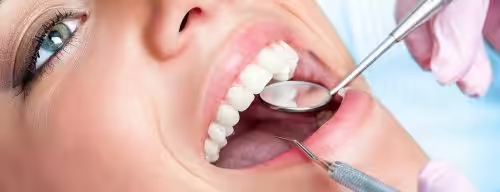
Home is where the important work happens — When it comes to dental health, what you do at home on a daily basis is far more important than what the dentist does a couple of times per year. You need to develop a good consistent dental health routine including brushing, flossing, and even a visual inspection of your mouth and gums. Don’t ignore dental pain or other problems, because small dental problems can become big ones if you ignore them.
Alignment is better than straight — When it comes to teeth, having them all perfectly straight is of no real advantage, other than the cosmetic look. What is far more important is how the teeth are aligned with each other. If teeth are crooked, cause you to bite your internal mouth tissues, or are misaligned with teeth above or below, you can have pain or other long-term dental issues. We can help you gain proper alignment but don’t get caught up in the concept that your teeth should be perfectly straight.
Your gums are important, so we both need to pay attention to them — We don’t poke around your gums during a dental cleaning to cause you pain, but rather we want to be sure you aren’t developing gum disease. You can be developing gum disease long before you become aware of it. We will take the time during your periodic cleanings to visually inspect your gums, remove plaque at the gum line, and look for any signs of disease. You can help by flossing regularly to remove plaque, a good source of bacteria that can create gum issues.
Perfectly white teeth can be a bad thing — Teeth whitening has become quite popular, with home kits, whitening bars in malls, and dentists performing whitening procedures. However, all these procedures use chemicals to bleach your teeth. Those chemicals can weaken your teeth over time, create tooth sensitivity, and even burn your mouth and gums. Don’t get caught up in the concept of having perfectly white teeth, because you can be doing more harm than good.
Dr. Lattinelli will discuss these tips and all dental hygiene recommendations with you. We consider you part of our dental team and want to help you develop good dental hygiene habits. If you have any questions about your teeth or how to keep them healthy, let Dr. Lattinelli know. We look forward to keeping you in good dental health for years to come!
Upper East Side Teeth Grinding | Manhattan Dental Office
–
We all know the basics of dental hygiene, brush and floss at least twice a day, avoid hard foods that could crack your teeth, and stay away from lots of acid to keep your enamel strong. One of the biggest issues many of us have that we don’t even always notice is grinding. It can ruin your teeth, and lots of people do it in their sleep without knowing! Dr. Lattinelli and the rest of our staff put together a little guide to help you find out if you’re grinding your teeth and what to do to prevent it.

Another common name for teeth grinding is bruxism. It can become extremely painful and lead to serious issues if it goes untreated for too long. A few signs that can diagnose bruxism include waking up with chips in your teeth, headaches, or jaw pain. There’s no immediate known cause for bruxism but things like stress and anxiety may increase your chances of suffering from this nighttime ailment. Certain medications that affect dopaminergic systems, or SSRIs, can also cause you to grind your teeth at night.
Over time, the subtle symptoms we mentioned above can become much more serious. Headaches can progress to more painful tension headaches and migraines, buzzing, ringing, or hissing in the ears, ear congestion and earaches, cracked teeth, painful jaw muscles, broken dental work, and worn down teeth. A lot of this damage can be permanent and require surgery in order to prevent tooth loss.
While there is no cure for bruxism, there are several things you can do to treat the symptoms and prevent it from worsening. The first thing you’ll want to do is get fitted for a nighttime mouth guard. These fit securely in your mouth and prevent any sort of tooth on tooth contact. You also eliminate the risk of biting your tongue and the insides of your cheeks. There are also several medications you can try, but the mouth guard should be your primary method of prevention.
If you or a loved one are suffering from bruxism, we would love to help you resolve the issue today. Call us here at Dr. Lattinelli’s and set up your appointment to meet with our caring staff.
Upper East Side Steps to Better Smile | Manhattan Dental Office
–
Many of us desire a bright, healthy, perfect smile. Pearly whites can help us to appear younger, healthier, and more attractive, but they can also help improve our overall health. So, who wouldn’t want a better smile? Everyday Health collected a list of seven steps towards a better smile, so check out their tips, tricks, and advice by reading on.
1. Brush regularly
Brushing on a regular basis “removes food particles that bacteria feed on, cleans teeth, and freshens breath,” according to Everyday Health. The ideal amount of time one should spend brushing their teeth is two minutes, says Jonathan Abenaim, DDS, a dentist in private practice in Hawthorne, New Jersey. If you use an electric toothbrush, it may have a built-in two-minute timer that can help you achieve the proper amount of brushing time.
2. Flossing daily
Flossing removes the food and bacteria that brushing cannot. By reaching between your teeth, floss can help prevent gum disease. It is most effective when used once or twice a day, so make an attempt to include flossing in your daily routine.

3. Visit your dentist
Bi-annual dental cleanings are important, so make an attempt to get to the dentist at least twice a year. Not only will your dentist provide you with a thorough cleaning, but they will also be able to detect any problems you may have before they worsen, including gum disease and cavities. For certain individuals, more frequent dental visits may be required. Be sure to consult with your dentist to gain a better understanding of how often you should visit, and always reach out to a dentist if you are experiencing any trouble or sensitivity within your mouth.
4. Eat healthy
A healthy diet can lead to a healthy mouth. Foods that are rich in calcium, such as dairy, sardines, and kale, contribute to strong bones and teeth. Additionally, foods rich in vitamin C, such as fruit, boost the health of your gums. Avoid foods that are sugary, sticky, and are difficult to get out of your teeth. These are likely to cause harmful bacteria. If you do decide to treat yourself to an unhealthy snack, attempt to brush immediately afterward or rinse your mouth with water, according to Herman Waldman, DDS.
5. Don’t smoke or use tobacco
Smokers are “four times more likely than nonsmokers to have gum disease,” according to a study performed by the Journal of Periodontology. Tobacco products can also lead to bad breath, halitosis, and even oral cancers, so stay clear of this harmful habit.
6. Whiten your teeth
For cosmetic reasons, teeth whitening is a great step towards achieving the perfect smile. Many products on the market are safe when used as directed and under a dentist’s supervision. Be sure to consult with your dentist before using whitening supplies, just to be sure your teeth and gums are healthy enough.
7. Consider cosmetic procedures
If you feel your teeth need some additional assistance to achieve the confidence and appearance you desire, consider cosmetic procedures. Cosmetic dentistry has experienced significant advances, so you can safely and easily work with a dentist to achieve the perfect smile.
At the office of Joseph C. Lattinelli, DMD, we can help you with these seven steps toward a better smile. Whether you are seeking a dental cleaning or considering cosmetic dentistry, we would love to work with you in creating a beautiful, healthy smile. To get in touch with us, feel free to request an appointment by calling (212) 752-7188.
Upper East Side Veneers | Manhattan Dentist
Diabetes is a serious disease which can affect many parts of your body. Your mouth, teeth, and gums should not be ignored if you have high blood sugar. Diabetes can impair your body’s ability to fight infections, so it is imperative to pay attention to any signs of dental issues. These can include:
- Bleeding gums
- Soreness or redness of mouth tissues
- Any swelling in the mouth or gums
- Loose teeth
- Any unusual coloration or visible fungus
- Dry mouth
Maintaining a healthy mouth is not only important to protect your teeth, but keeping infections at bay will also make it easier to control your diabetes. Regular dental checkups are critical, including professional cleaning. This will remove bacteria and plaque which can lead to dental infections. Make sure to tell your dentist of all the medications you take and any dental problems you have noted since your last checkup.
If you are diabetic, you can help your dentist maintain good oral health. The first step is keeping plaque from forming on your teeth. Plaque begins forming between teeth and along the gum lines after you eat. Brushing alone will not remove it all, and regular flossing is needed. If the plaque remains it will convert to tartar, a hard substance which will have to be removed by a dental professional. Plaque can harbor bacteria and is one source of gum infections. Follow a careful regimen of brushing and flossing to minimize it.
Regular brushing is also important. You should spend at least two minutes cleaning your teeth each time you brush. In addition, make sure to brush the gums and your tongue to remove bacteria there. The gentle movement of the brush is more important than hard and vigorous brushing. Use a soft toothbrush, because hard brushes can wear away dental enamel and cause gum recession.
If you have dentures, make sure they fit properly. Improper fitting dentures can lead to mouth sores which can become infected. In addition, it is critical to clean your dentures regularly and keep them disinfected to minimize bacteria.
Along with regular checkups and good hygiene, the other things you can do to minimize dental problems are:
- Eat a proper diet designed to control your blood sugar
- Stop smoking or using other tobacco products
- Keep up with your diabetes medication
Dr. Lattinelli is always ready to discuss your dental treatment and maintenance programs, and can offer suggestions for diabetics to help keep their mouth in top shape. Contact us today for a consultation. As always, we wish you good dental health.
Manhattan Unhealthy Dental Habits | Upper West Side Dentist
We all know that we’re supposed to brush twice a day, floss, and visit the dentist regularly for checkups, but we like to remind our patients of all the things that are important to avoid as well! Here are ten of the worst things you can do for your teeth:
- One of the worst things you can do is use the wrong toothbrush; luckily this is an easy fix. Hard toothbrushes may seem like they’re doing a good job of cleaning your teeth, but can actually be extremely abrasive and damage gums enough that they begin to recede.
- Surprisingly, many people don’t know that brushing your teeth too often can be harmful. Best practice is to brush your teeth once in the morning and once at night. It’s important not to use too much force, and always wait at least thirty minutes after eating or drinking anything acidic to avoid wearing away at your enamel.
- A nervous habit many of us have is nail-biting, and most of us don’t consider the havoc it can wreak on our teeth. It adds an abnormal amount of force and commonly causes small chips and fractures that will worsen over time.
- If you play any type of contact sport, mouth guards are a must. The physical damage you can experience from a hit to the face include knocking out teeth or breaking them, which can cause cut lips, tongues, and cheeks.
- If you commonly suffer from dry mouth, your teeth are likely suffering as well. The saliva in your mouth helps to strengthen your enamel with minerals as well as neutralize the acids that can damage your enamel, so without it, your teeth are weaker and more susceptible to damage.
- Never use your teeth as tools. Something as simple as ripping open a bag can cause major damage, so always grab a pair of scissors or the appropriate tool instead!
- Something a lot of people do without always realizing it is grinding their teeth or clenching their jaws. This happens commonly overnight during sleep. It can also break your teeth and even cause them to become loose in your jaw. The best way to protect yourself from doing so is to wear a night guard while you sleep.
- The things we eat also play a big role in the health of our teeth. Crunching on ice cubes is yet another way to add lots of unnecessary excess force on both your teeth and jaw, and can cause breaks and fractures.
- Be mindful of how much coffee and soda you’re drinking. Those, along with fruit juices, are extremely high in acid and cause irreversible damage to your enamel almost immediately.
- Sugar is also a big no-no if possible to avoid it. Monitor your intake, as it is one of the biggest causes of tooth decay and cavities.
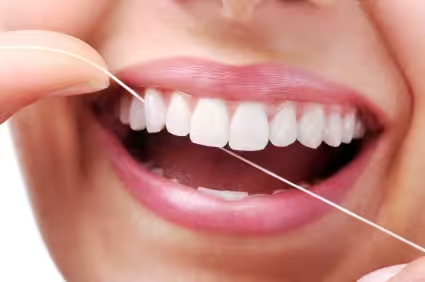
Here at Dr. Lattinelli’s, we want all of our patients to feel confident showing off their bright smiles, and following this quick guide of what to avoid will keep your pearly whites happy and healthy for years to come!
Manhattan Invisalign Teen | Upper West Side Dentist
If your teen has teeth which need straightening, the old technique of wires and braces is obsolete. Now you have access to Invisalign Teen®, a painless and nearly invisible way to align teeth for that perfect smile. How can Invisalign help your teen?
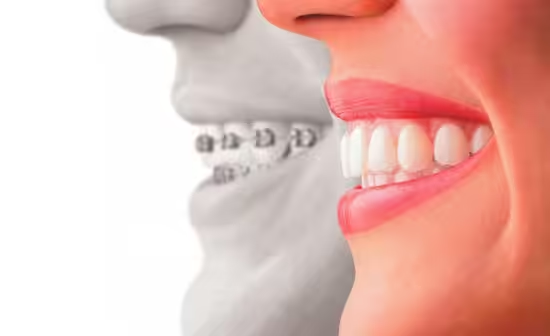
The Invisalign Teen® process is a series of transparent aligners which are replaced every two weeks. Each aligner makes an incremental correction in the bite and teeth alignment. Over time, the aligners will move teeth into their correct position. The aligners can be removed for short periods, such as when brushing their teeth, but otherwise remain in place to create the proper alignment.
Invisalign Teen® is as effective as braces. A properly certified dentist like Dr. Lattinelli can make recommendations for an Invisalign treatment program. The aligners can correct a wide range of dental problems, including overbite, underbite, misalignment, and tooth gaps. There is a very good chance your teen will be eligible for and benefit from the Invisalign Teen® system.
What are the advantages of using Invisalign over conventional braces?
- Your teen won’t risk injury from playing sports as could occur with traditional braces. Braces can be damaged or even injure the patient if they are hit in the mouth during sports.
- There are many foods that must be avoided with braces, such as popcorn, raw carrots, and apples to name just a few. There is no restriction with Invisalign.
- If your teen is studying music using any wind instruments, braces can restrict the ability to play properly. This won’t be an issue with Invisalign.
- The Invisalign aligners can be easily removed for brushing and flossing, so proper dental care is maintained.
An additional advantage of Invisalign is the psychological benefit your teen will receive from properly aligned teeth without the visible use of braces. No one will need to know your teen is gaining a properly aligned smile until the final results are seen. Invisalign will correct any permanent teeth, whether present or erupting, so most teens will be eligible. The treatment times will vary by person, but are roughly the same as traditional braces.
Dr. Lattinelli has great experience with the Invisalign Teen® alignment process, and will be happy to discuss the process and answer your questions. Give your teen a permanent perfect smile with the Invisalign Teen® process.
Manhattan Loose Teeth Causes | Upper West Side Dentist
After you have lost your baby teeth, you assume your days of having loose teeth are over. So when an adult tooth becomes loose, it is a reason to worry. Having loose adult teeth can mean that a ligament, which normally suspends the tooth, isn’t functioning properly. There might also be damage to your gums or jaw bone, according to Dear Doctor.
So how does this damage happen? Why do teeth become loose? Dear Doctor claims there are three reasons for ligament damage.

The first is excessive bite force, also called “primary occlusal trauma.” This results from grinding or clenching of teeth over periods of time. The second potential reason is from disease, specifically advanced periodontal disease. This affects the bone around your tooth, causing extensive bone loss. Secondary occlusal trauma can become a result of this, and occurs when “normal forces are applied to the teeth but the ligaments are unable to withstand these forces because of so much bone loss.” This is typically the reason for most loose teeth. Finally, trauma to the face can cause teeth to become loose, such as a blow to the face.
So now you know how your tooth became loose, but what can you do to fix it? Dear Doctor says the approach is “both biologic and mechanical.” If your loose tooth is due to disease, this periodontal disease must be treated to allow your mouth to heel. That’s the biologic approach. The mechanical approach “involves modifying forces applied to the teeth,” or changing the way or amount of biting force you generate. Depending on the source and intensity of your loose teeth, there are a few different mechanical solutions.
A mouth guard is one option that may be used as a protective barrier between your upper and lower teeth. Another possible option is an occlusal adjustment, which “involves reshaping the biting surface of the tooth to reduce the amount of force it receives,” according to Dear Doctor. In certain situations, orthodontic treatment may be used to improve the alignment of teeth. Splinting is another possible solution where teeth are joined together to allow a distribution of bite force. This option can be either temporary or permanent, depending on the amount of bone loss.
Ignoring a loose tooth can cause you further severity or additional problems, so don’t ignore it. Instead, reach out to the office of Joseph C. Lattinelli, DMD. We will help identify the reason for your loose tooth, and provide you with the best possible solution. Contact us today!